
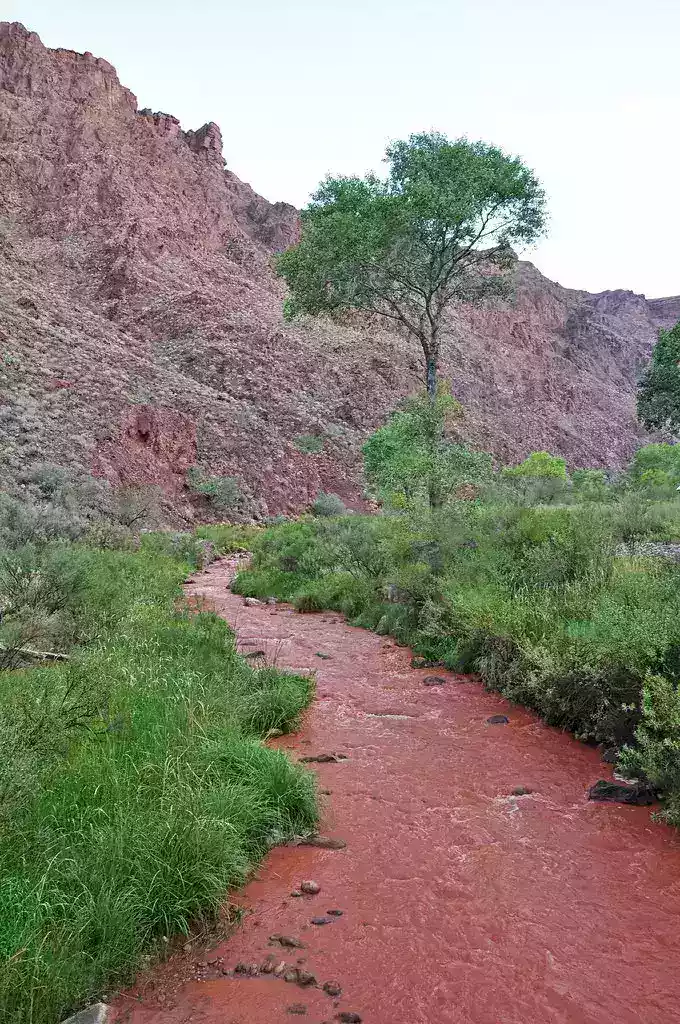
The Grand Canyon flash flood that killed one person and left others missing is a reminder that the park’s most obvious hazard is often the least visible: water moving through dry washes and steep drainage lines far from the storm itself. This article explains why canyon flooding escalates so quickly, what warning signs matter, and how visitors should respond if weather shifts on the trail.
Key Takeaways
- Flash floods in canyon terrain can form far from where rain is falling.
- Dry ground is not a safety signal; it can change in minutes.
- Higher ground and immediate retreat matter more than waiting for visual confirmation.
Why does a canyon flood become deadly so fast?
Flash floods are a hydrology problem, not just a weather problem. In narrow drainages, runoff concentrates fast, debris moves with the water, and escape routes narrow at the same time. A storm may seem distant, but the canyon can still receive a violent surge downstream.
The operational mistake is trusting the surface. A wash that looks harmless can carry a sudden wall of water, mud, and rock once rainfall begins to collect upstream.
What should visitors do when conditions change?
Move to higher ground immediately if thunder, rising water, or a flood warning appears. Do not cross moving water, and do not keep hiking in hopes that the route will improve. If a trail starts to collect water, the route is already failing.
Practical rule
If water darkens, pools, or begins to surge around rocks and bends, retreat before the exit becomes inaccessible. Search and rescue teams are trained for recovery, not prevention; prevention is the visitor’s job.
What do safety agencies and past incidents show?
Official guidance is blunt: flash floods are fast, deceptive, and often fatal when people try to outrun them on foot. The National Weather Service flash flood safety guidance stresses immediate movement to higher ground and avoidance of flooded areas. That advice fits the Grand Canyon because topography concentrates risk even when rainfall seems local.
For travelers, the lesson is simple. Check weather forecasts, monitor alerts, and treat trail closures as a hard stop rather than a suggestion. In the canyon, the gap between a safe hike and an emergency can be one storm cell wide. Before the next visit, verify official park updates, then leave at the first sign of runoff rather than waiting for certainty.
Frequently Asked Questions
Can a flash flood hit even if it is not raining where I am standing in the canyon?
Yes. In canyon terrain, runoff can gather far upstream and rush through a wash long before rain reaches your exact location. A storm cell several miles away can still send a dangerous surge through narrow drainages. That is why waiting for local rain is not a reliable safety check.
What are the earliest signs that a wash or trail is becoming unsafe?
Look for water that darkens the ground, starts pooling, carries small debris, or begins to move faster around rocks and bends. A sudden drop in clarity, new mud, or a distant roar can also signal rising runoff. By the time water looks obvious, the route may already be failing.
Is it safer to stay low and wait out the water if the trail is already flooded?
No. Staying low can put you directly in the path of surging water and debris, especially in a confined canyon. The safest response is to move to higher ground immediately and retreat before the drainage becomes cut off. Waiting for visual confirmation can reduce your escape options to zero.
Why are flash floods in the Grand Canyon so much more dangerous than in open areas?
The canyon’s steep walls and narrow drainages funnel water into a fast, concentrated surge. At the same time, escape routes are limited and can disappear quickly. What might be a manageable amount of rain in open terrain can become a violent, debris-filled flood once it enters a confined canyon system.
Should a trail closure or flood warning be treated as a hard stop even if the weather looks clear overhead?
Yes. In the Grand Canyon, the danger often comes from upstream drainage, not from what you can see above you. Official warnings and closures reflect that hidden risk. If authorities close a trail or issue a flood alert, the safest decision is to turn around immediately and not test the route.