
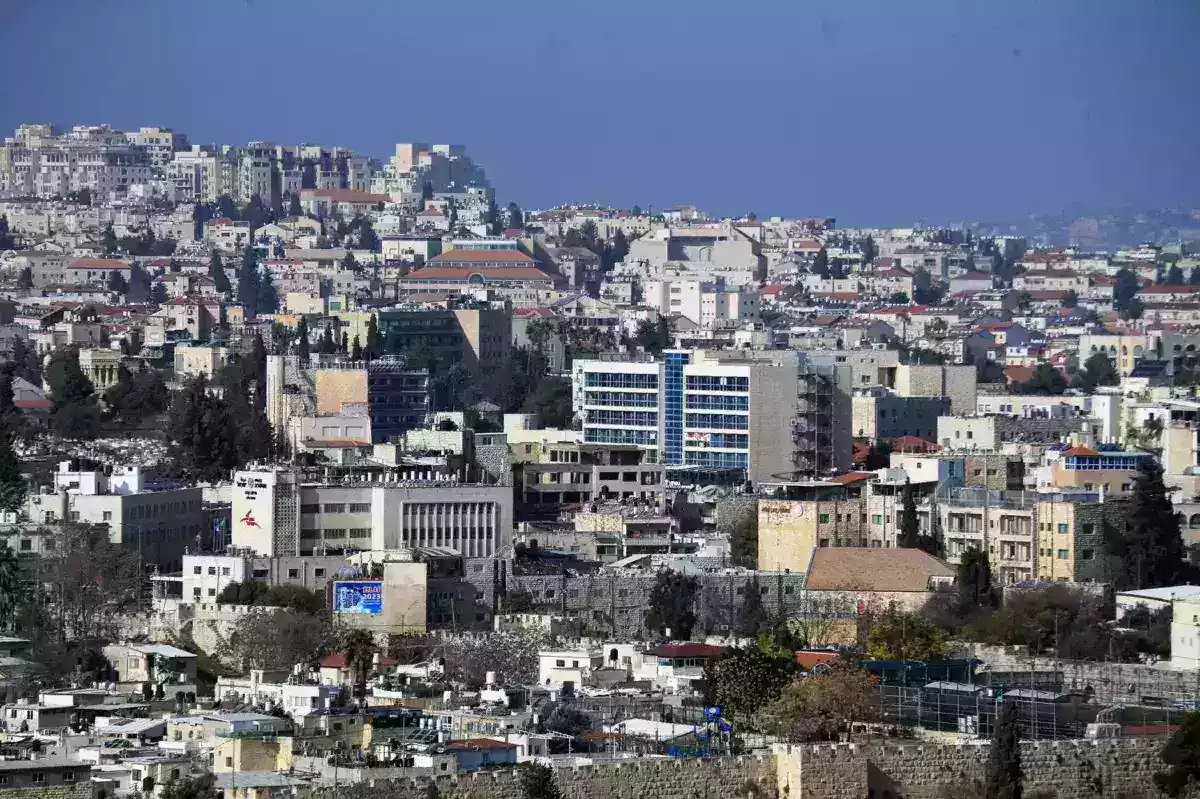
Israel’s seizure of a United Nations facility in East Jerusalem—and its vow to close the site permanently—does more than escalate a local standoff. It tests the practical limits of UN presence, the credibility of immunity-based operations, and the political cost of treating international organizations as negotiable infrastructure rather than protected institutions.
Seizure as Policy Signal
The move is framed as a security decision, but its intent reads as a policy statement: physical control will define how international actors operate in contested space. In analytical terms, this is less an emergency response than a governance choice. When authorities seize premises and promise closure, the message is unmistakable—compliance will be engineered through coercive leverage, not diplomatic procedure.
What UN Facilities Are Meant to Provide
UN facilities are not symbolic offices. They support reporting, humanitarian coordination, and administrative functions that often cannot be replicated quickly by competing local institutions. Removing or shutting down a UN presence does not merely relocate services; it interrupts continuity, creates uncertainty for staff and beneficiaries, and forces aid and oversight workflows into less transparent channels.
The Legal and Operational Tension
At the core is a conflict between national authority and internationally recognized protections for UN operations. Even when states claim jurisdictional rights, the UN’s ability to function depends on predictable access and a baseline of operational security. A unilateral shutdown transforms a working relationship into a confrontation, and it turns every future UN activity into a potential target.
Diplomacy Becomes a Containment Exercise
Once an event reaches this scale, diplomacy shifts from negotiation to damage control. Calls for restraint and meetings in international forums cannot undo the immediate effects on staffing, record-keeping, and community trust. The most damaging outcome is not only the closure itself, but the precedent that future UN roles may be withdrawn through similar pressure.
Credibility Costs and Human Implications
International organizations depend on credibility to maintain cooperation from governments, local partners, and affected populations. A facility seizure sends a deterrent signal: engagement may invite retaliation. For residents who rely—directly or indirectly—on UN-linked functions, politics becomes an operational gamble, and continuity turns fragile.
In East Jerusalem, where narratives and jurisdiction are already contested, the decision to seize and close a UN site doesn’t just add friction—it reshapes the incentives for cooperation and undermines the very premise that humanitarian and oversight work can operate above daily power contests. The long-term risk is that the UN’s capacity to act becomes contingent on which side controls the perimeter, not on the universal principles that originally justified its presence.
Frequently Asked Questions
If Israel cites security concerns, can that override UN immunity in East Jerusalem?
Security concerns can justify heightened scrutiny or temporary restrictions, but they do not automatically nullify the protections that allow UN operations to function. The article’s point is that a unilateral seizure shifts the issue from managed security to coercive control, which undermines the predictable access and legal stability UN facilities depend on.
Why is closing one UN site seen as more serious than just moving the operation elsewhere?
Because UN facilities are part of a connected system of reporting, coordination, and administrative continuity. Relocating may preserve a formal presence, but it often disrupts records, staff routines, beneficiary access, and trust. The loss is not only physical space; it is the interruption of a working infrastructure that is difficult to rebuild quickly.
What makes this event a precedent rather than just a local confrontation?
A precedent is created when an action becomes repeatable and politically acceptable. If a UN facility can be seized and closed on security grounds, other authorities may view similar pressure as legitimate. That changes future bargaining power and may weaken the assumption that international organizations operate under a baseline of protected access.
Why does the article say diplomacy becomes a 'containment exercise' after the seizure?
Because once the premises are taken and closure is announced, diplomacy can no longer restore the immediate operational damage. Meetings and statements may limit escalation, but they do not recover staff confidence, documentation continuity, or local trust right away. The main diplomatic task becomes preventing further erosion rather than reversing the initial move.
How are ordinary residents affected if the UN presence is reduced or shut down?
Residents may not always see the UN site itself, but they often feel its absence through slower aid coordination, weaker oversight, fewer channels for complaint, and less reliable access to services linked to UN work. The article emphasizes that when these functions are interrupted, uncertainty spreads beyond the facility and into daily life.
0 thoughts on “When Security Claims Collide with UN Immunity in East Jerusalem”