
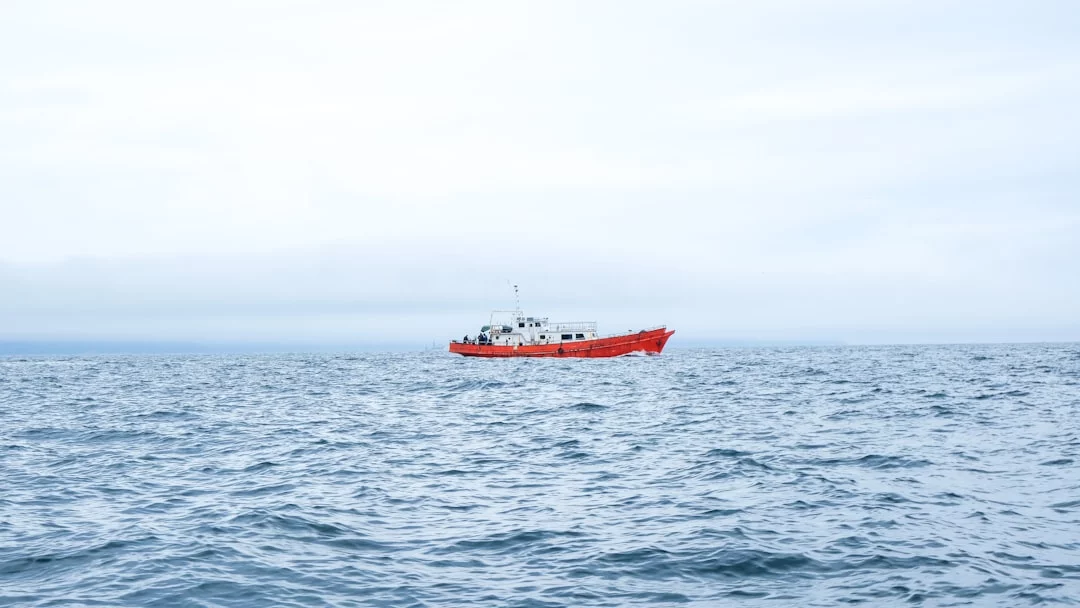
This article explains what the latest small boat crossing off the French coast reveals about English Channel risk: one migrant died, 72 others were rescued, and the incident again shows how quickly an overcrowded vessel can move from transport to emergency. You will learn what likely drives these rescues, why maritime response matters, and what this means for readers tracking migration, border control, and search-and-rescue operations.
Key Takeaways
- Overcrowding, unstable craft, and cold water make small boat crossings high-risk from the start.
- In distress at sea, rescue priorities are immediate life-saving action, not border status.
- The incident is a safety failure as much as a migration story.
Why do small boat crossings become fatal so quickly?
Small inflatable boats are not built for long, exposed crossings with dozens of people aboard. Once waves rise, fuel runs low, or passengers panic, freeboard disappears and the risk of capsizing increases sharply.
That is why a single incident can escalate into a mass rescue. The Channel is narrow, but it is still open water with cold temperatures, strong currents, and heavy vessel traffic. Those conditions punish delay.
What does rescue protocol require in a distress case?
In maritime emergencies, the first duty is rescue. The International Maritime Organization search and rescue framework makes clear that distress at sea triggers urgent coordination and assistance, regardless of who is on board or why the vessel is there.
That distinction matters. Public debate often jumps straight to enforcement or deterrence, but a drifting, overloaded boat is already a safety incident. The practical question is not whether the crossing should have happened; it is how quickly authorities can prevent another death.
What evidence should readers look for next?
Good reporting on incidents like this should answer three things: where the boat launched, how long it was in distress, and which agency led the rescue. Those details show whether the failure was mechanical, operational, or the result of delayed intervention.
Context from the case
A death among 73 people on a small vessel is not an anomaly; it is a warning sign. When rescue teams recover survivors from a crowded dinghy, the margin between survival and loss is often minutes, not hours.
The next useful update is a verified rescue timeline and the weather conditions at departure. That is the evidence that separates speculation from a clear reading of what went wrong.
Frequently Asked Questions
Why can a boat with dozens of people on it still look “manageable” before it becomes an emergency?
Small inflatable boats can appear stable for a short time, especially in calm water near the coast. But they have very little freeboard, so even a modest wave, shifting passengers, or engine trouble can quickly make them unsafe. The danger is often hidden until the vessel is already overloaded and the situation changes fast.
If the Channel is relatively narrow, why is it still so dangerous for small boats?
Its narrowness does not make it safe. The English Channel combines cold water, strong currents, busy shipping lanes, and unpredictable weather. For a crowded dinghy, that means there is little room for error. A crossing that seems brief on a map can still become life-threatening within minutes if conditions worsen.
Why do rescue teams focus on saving people first instead of dealing with border enforcement first?
Because maritime law treats distress at sea as an immediate life-saving emergency. When a boat is overloaded, drifting, or at risk of capsizing, the priority is to prevent deaths. Border questions may matter later, but they do not come before rescue coordination, medical care, and recovering anyone still in danger.
How can readers tell whether a death was caused by the boat itself or by a delayed response?
The key details are the time the vessel spent in distress, the weather at departure, and which agency first received the alert. If the boat failed mechanically or became unstable quickly, that points to vessel risk. If help came late, the timeline may show that delay played a major role in the outcome.
Does one death in a rescue like this indicate a larger pattern, or is it just an isolated case?
It is usually a warning sign rather than just an isolated tragedy. On crowded small boats, survival margins are extremely thin, so a single death can reveal how close the whole group was to capsizing, hypothermia, or exhaustion. Incidents like this often show systemic risk in crossings, not only one bad event.
2 thoughts on “Why the Latest English Channel Small Boat Rescue Turned Deadly”