
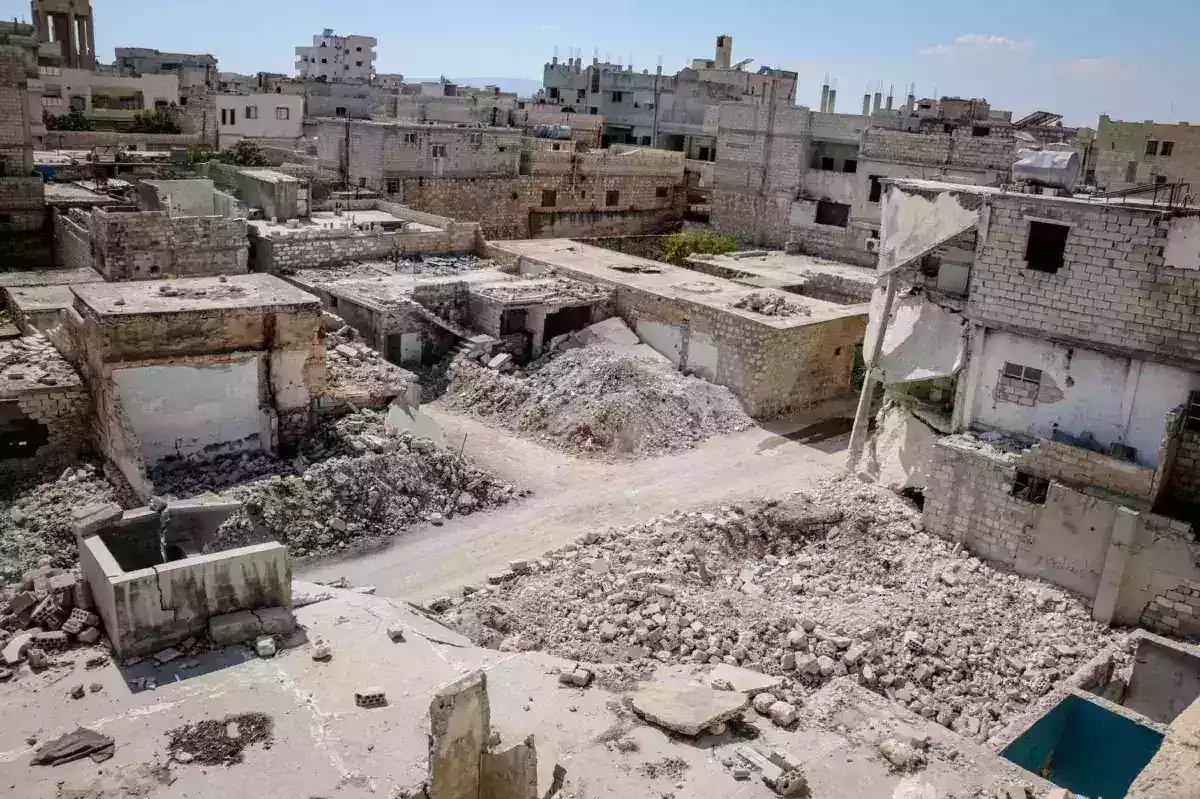
This report explains what the latest Israeli settler attacks in the West Bank around Qusra mean for civilians, what can be verified from the incident, and how to assess the legal stakes without overclaiming. The core fact is direct: Palestinian homes were attacked near an occupied village, and that makes civilian protection the central issue, not only local unrest.
- The reported target was homes near Qusra, which raises civilian-protection concerns.
- The incident should be read through accountability, not just security rhetoric.
- Verification matters: damage, injuries, and official responses should be confirmed independently.
What happened near Qusra?
According to the report, settlers attacked homes surrounding the occupied West Bank village of Qusra. That detail matters because property damage against civilians is not the same as an armed exchange with combatants. It signals vulnerability in a place where families expect their homes to be the last protected space.
The immediate reporting does not settle every question. It does not, by itself, establish the full scale of damage, whether anyone was injured, or how authorities responded on the ground.
Why does this matter beyond one village?
Attacks on homes have effects that outlast the event itself. They can restrict movement, deepen fear, disrupt schooling and work, and make routine life contingent on security conditions families cannot control.
For observers, the important test is whether the episode is treated as an isolated disturbance or as part of a repeated pattern of civilian intimidation. The difference shapes policy, policing, and international scrutiny.
What does international law require here?
Civilian homes in occupied territory are protected under international humanitarian law, and intimidation of civilians is not a lawful tool of control. The ICRC’s explanation of Article 33 of the Fourth Geneva Convention is relevant because it sets out the ban on collective punishment and related coercive measures.
That legal frame does not decide every factual dispute, but it does narrow the acceptable response: investigations, evidence collection, and accountability, not retaliation against civilians.
What should readers watch next?
Look for independent confirmation of the damage, any injuries, and whether local or Israeli authorities opened a credible inquiry. Also watch whether access restrictions, arrests, or compensation claims follow. Those details determine whether the event remains a headline or becomes a documented case of civilian harm.
The practical next step is simple: separate verified reporting from rumor, and measure every new update against the same standard — who was targeted, what was damaged, and what response followed.
Frequently Asked Questions
Why does the report focus on homes instead of describing the attack as a general security incident?
Because the target matters legally and morally. An attack on civilian homes is not the same as a clash with armed actors or a broader security confrontation. It points to direct civilian vulnerability, which raises questions about protection, accountability, and whether intimidation of noncombatants is being used as a tactic.
What information still needs independent verification about the Qusra incident?
The initial report does not confirm the full extent of damage, whether anyone was injured, or exactly how authorities responded. Those details need independent confirmation from on-the-ground reporting, medical records, photos, witness accounts, and official statements before the incident can be assessed as a documented case of civilian harm.
Why is it important not to treat this as an isolated event too quickly?
Because repeated attacks on civilian homes can signal a broader pattern of intimidation rather than a one-off disturbance. If that pattern exists, it affects how policing, legal accountability, and international scrutiny should be handled. A single event may be tragic; a repeated pattern can indicate systemic civilian risk.
What does international humanitarian law actually say about incidents like this?
In occupied territory, civilian homes are protected under international humanitarian law, and intimidation of civilians is not a lawful method of control. The legal issue is not only whether property was damaged, but whether civilians were targeted or coerced. That is why investigations and evidence matter more than retaliation.
Could there be a security justification for such attacks?
Security rhetoric may be used to explain tensions, but it does not automatically justify attacks on civilian homes. The key question is whether the people and property targeted were lawful military targets or protected civilians. If civilians were the target, the legal and ethical focus shifts to prevention, investigation, and accountability.
What practical signs should readers look for in follow-up reporting?
Watch for independent confirmation of damage and injuries, plus whether police, military, or civilian authorities opened a credible investigation. Also note any arrests, movement restrictions, compensation claims, or repeat incidents. Those details show whether the event was treated seriously or allowed to fade without accountability.