
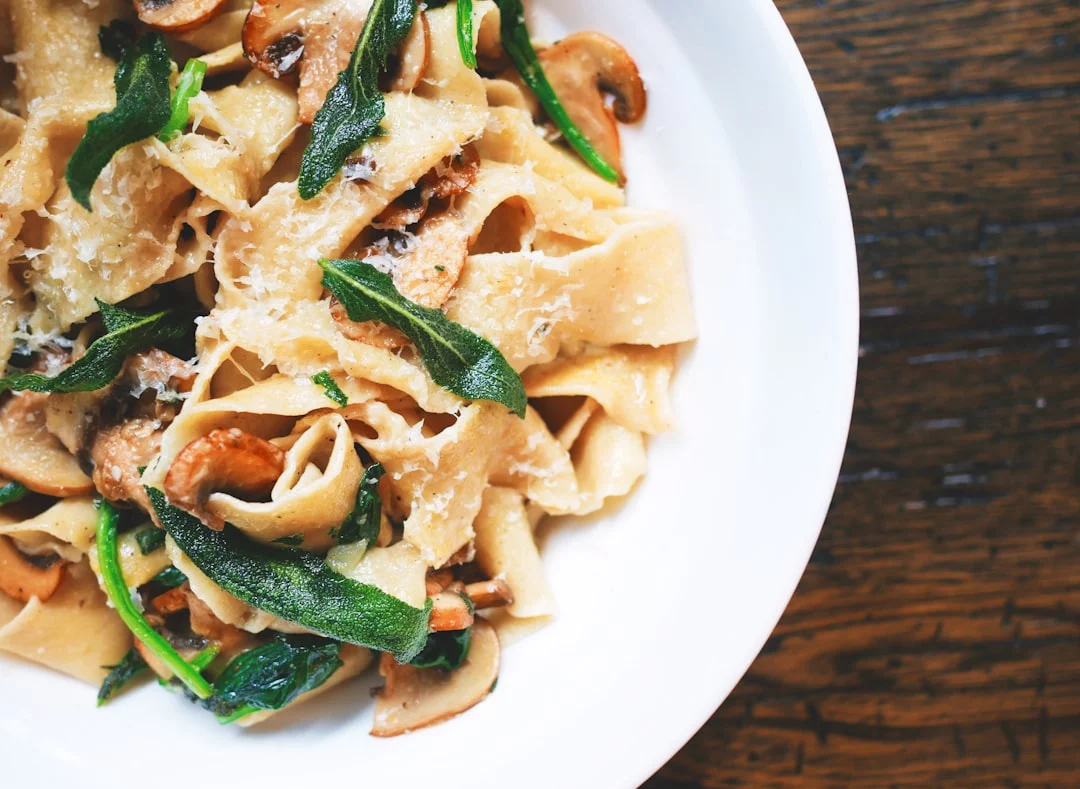
If you want mushroom ragu pasta that tastes slow-cooked but lands on the table in under an hour, the method matters more than the ingredient list. This dish depends on layered umami, staged reduction, and a pasta shape that can hold a dense sauce. Here is what actually makes it work, what to swap, and how to avoid a thin, flat result.
- Porcini, tomato paste, anchovy, and parmesan create the sauce’s savory depth.
- Reducing wine and mushroom liquid is what gives the ragu its beef-like intensity.
- Curly or ridged pasta holds the sauce better than plain spaghetti.
Why does mushroom ragu pasta taste so rich?
The flavor is built in layers, not from one secret ingredient. Onion, garlic, anchovy, and tomato paste form a base that tastes rounded before the mushrooms even go in. Porcini then add concentrated earthiness, while parmesan and butter soften the finish.
What gives it restaurant-level depth?
It is the combination of reduction and umami. The wine is not there for drama; it deglazes the pan and concentrates the savory base as it cooks off. Tomato paste is cooked until it darkens slightly, which strips away raw acidity and adds a more complex, roasted note.
How do you keep the sauce thick and glossy?
Do not rush the evaporation stages. Mushrooms release a lot of water, and that liquid must mostly disappear before the stock goes in. If the pan is overcrowded, the mushrooms steam instead of browning, and the sauce loses intensity.
Cook the pasta one minute under the package time, then finish it in the ragu with a little cooking water. That starch helps the sauce cling instead of pooling at the bottom of the bowl.
Which substitutions actually hold up?
Vegetarian versions work, but only if you replace the missing savory elements intelligently. Use vegetable stock, then increase parmesan or nutritional yeast so the sauce still has salt and depth. If you skip anchovy, do not skip the replacement umami entirely; otherwise the sauce becomes merely mushroom-flavored, which is not the same thing.
Best pasta shapes
Mafaldine is ideal because its frilly edges catch the sauce. Pappardelle, rigatoni, fusilli, and orecchiette also work. Thin noodles are a weaker choice because they cannot support the weight of the ragu.
What does the evidence say about mushrooms?
Mushrooms are not just a texture choice. The USDA FoodData Central mushroom nutrition database lists them as sources of nutrients such as potassium and selenium, which helps explain why they are used so often in savory cooking. For this recipe, their value is culinary first: they absorb, concentrate, and amplify the sauce around them.
Serve the pasta immediately while the sauce still looks satin-smooth. If it sits too long, add a splash of hot water or stock and toss again. The correct next step is simple: make the sauce slightly tighter than you think you need, then finish it with pasta water at the end.
Frequently Asked Questions
Can I make this mushroom ragu ahead of time without losing the sauce's texture?
Yes, but it is best to stop slightly before the final pasta-tossing stage. Reheat the ragu gently with a splash of water or stock, then cook the pasta fresh and finish it in the sauce. That keeps the texture glossy and prevents the mushrooms from turning soft and the sauce from becoming overly thick.
Why does the recipe call for cooking the tomato paste until it darkens?
Cooking the tomato paste removes its raw, sharp taste and gives it a deeper, roasted flavor. That step also helps the sauce taste more complex and less acidic. If you skip it, the ragu can taste flat or slightly tinny instead of rich and slow-cooked.
What happens if I use spaghetti instead of a ridged or curly pasta?
Spaghetti will still work, but it will not hold the dense sauce as well. This ragu is meant to cling to pasta with texture, such as mafaldine, rigatoni, or fusilli. With smooth noodles, more sauce ends up at the bottom of the bowl instead of coating every bite.
Is anchovy essential, or can I leave it out entirely?
Anchovy is not there to make the sauce taste fishy; it disappears into the base and adds savory depth. You can leave it out, but then you should replace that lost umami with something like extra parmesan, nutritional yeast, or a little miso. Otherwise the sauce may taste thinner and less rounded.
How do I avoid the mushrooms steaming instead of browning?
Use a wide pan and avoid overcrowding it. If the mushrooms are piled too high, they release water faster than it can evaporate, which causes steaming. Cook them in batches if needed and let their liquid reduce fully before adding stock. Browning is what builds the ragu's intensity.