
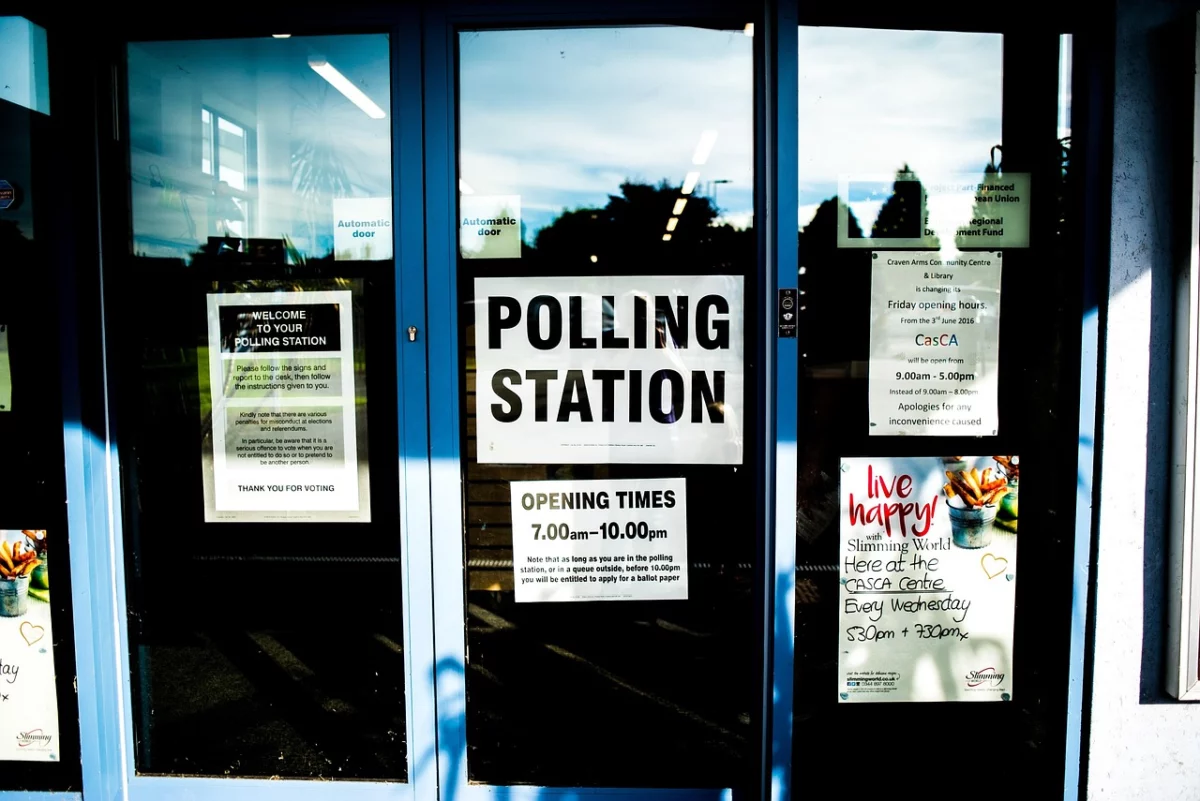
The Iceland EU referendum is not a symbolic exercise; it is a decision about whether Reykjavik should reopen accession talks that were paused years ago. For readers tracking Europe, the key issue is simple: this vote tests whether Icelanders want to revisit the trade-offs of joining the European Union, including sovereignty, fisheries policy, and the credibility of the króna outside the bloc.
Below, you will learn what the referendum means, why it matters now, and what a resumption of talks would actually involve.
- A
Frequently Asked Questions
Would a vote to resume talks mean Iceland is automatically joining the EU?
No. Resuming talks would only reopen negotiations; it would not make Iceland an EU member. The process would still require agreement on key chapters, a completed accession treaty, and likely another ratification step before any final entry. In other words, the referendum is about restarting the path, not crossing the finish line.
Why is fisheries policy such a central issue in the referendum?
Because fisheries are one of Iceland’s most sensitive national interests. EU membership can affect access to waters, quota rules, and how fishing rights are managed. For many Icelanders, the question is not just economic but also political: whether decisions over a major domestic industry would move from Reykjavik to Brussels.
How could the referendum affect the value or credibility of the króna?
The vote itself would not change the currency immediately, but it could influence expectations. Supporters of talks may see renewed EU alignment as a potential boost to long-term stability and investor confidence. Critics argue the króna gives Iceland flexibility that would be weakened by deeper integration, especially if euro adoption ever became part of the debate.
If talks resume, does Iceland have to accept every EU rule?
No. Accession negotiations are designed to identify where a candidate country must adapt its laws and where exceptions or transitional arrangements may be possible. However, the EU also expects alignment with its core rules. The real question is how much room Iceland would have to protect national priorities while still meeting membership requirements.
Why is this referendum important now if accession talks were paused years ago?
The timing matters because public opinion, Europe’s political climate, and Iceland’s economic priorities can change significantly over time. A renewed mandate could signal that the country wants to reassess earlier concerns rather than leave the issue dormant. It is essentially a test of whether the old arguments against reopening talks still hold.
2 thoughts on “Iceland EU Referendum: What a Vote to Resume Talks Could Change”