
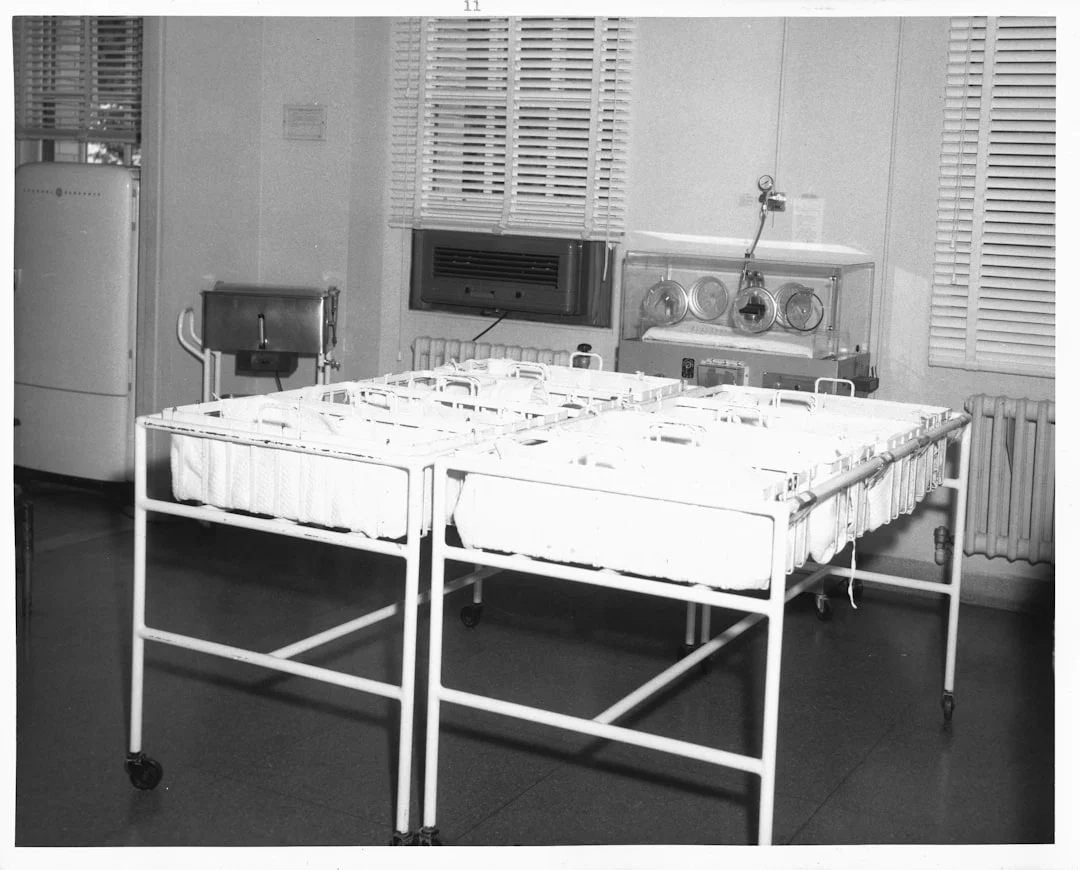
The Islamabad nursery fire, which officials say killed at least 14 newborns, is a hard warning that hospital fire safety fails fastest where patients cannot move themselves. This piece explains why neonatal wards are uniquely exposed, which controls matter most, and what families and administrators should ask when a hospital claims it is prepared.
- Smoke control matters more than visible flames in enclosed wards.
- Neonatal units need alarms, compartmentation, and practiced evacuation drills.
- Families can ask about backup power, maintenance logs, and fire response training.
Why are newborn wards so vulnerable?
Newborns depend on incubators, oxygen lines, monitors, and constant staff support. That equipment slows evacuation and makes a small ignition source, wiring fault, or overloaded circuit far more dangerous.
The immediate threat is usually smoke inhalation and delayed response. In a nursery, even brief confusion can turn a localized incident into a lethal event.
What does effective hospital fire safety actually require?
Strong hospitals do more than hang extinguishers on walls. They use compartmentalized units, working fire alarms, smoke barriers, clear escape paths, and drills that train staff to move the most fragile patients first.
The NFPA’s healthcare fire protection guidance for hospitals reflects that layered logic: contain smoke, protect life support, and keep evacuation decisions simple under pressure.
What should investigators verify now?
After a fire, the key questions are mechanical and procedural. Did the alarm work, was the source electrical, were smoke doors closed, did staff receive the alert fast enough, and were maintenance records current?
Those answers matter more than public statements. They show whether the disaster was unavoidable or the result of neglected systems.
What should hospital leaders and families ask next?
Ask whether the nursery has tested evacuation drills, protected power for critical equipment, and a documented plan for moving infants without delay. Ask whether the facility can isolate a smoke-filled zone without shutting down the entire ward.
If the answers are vague, the risk is already visible. In neonatal care, preparedness is not abstract policy; it is the difference between disruption and mass casualty.
Frequently Asked Questions
Why is smoke usually more dangerous than flames in a neonatal ward?
In a nursery, smoke can incapacitate infants and staff before flames ever reach them. Newborns breathe faster relative to their size, cannot move away, and may be connected to oxygen or monitors that delay evacuation. In a closed ward, poor smoke control can turn a small incident into a fatal one very quickly.
Why can’t staff just evacuate newborns the same way they would other patients?
Newborns are not self-evacuating and often need to be moved with incubators, oxygen, and monitoring equipment. That makes evacuation slower and more complex than in most hospital units. Because of that, fire plans for neonatal wards must prioritize compartmentation, smoke containment, and moving the most fragile infants first.
What does compartmentation actually do during a hospital fire?
Compartmentation divides the ward into fire- and smoke-resistant sections so staff can isolate the danger instead of clearing the entire unit at once. It buys time by containing smoke, preserving safe areas, and allowing a staged response. In a neonatal unit, that extra time can be the difference between controlled relocation and mass casualty.
What are the most important records to check after a nursery fire?
Investigators should look beyond public statements and verify the alarm performance, electrical source of ignition, smoke-door function, staff notification time, and recent maintenance logs. These records show whether safety systems worked as intended or whether the fire spread because of neglected equipment, delayed response, or broken procedures.
What should families ask a hospital to prove it is prepared for a nursery fire?
Families should ask for evidence of tested evacuation drills, backup power for critical equipment, maintenance records, and staff training specific to fire response in neonatal care. They should also ask whether the nursery can isolate a smoke-filled area without shutting down the entire ward, because vague answers usually signal weak preparedness.
One thought on “What the Islamabad Nursery Fire Reveals About Hospital Fire Safety”