
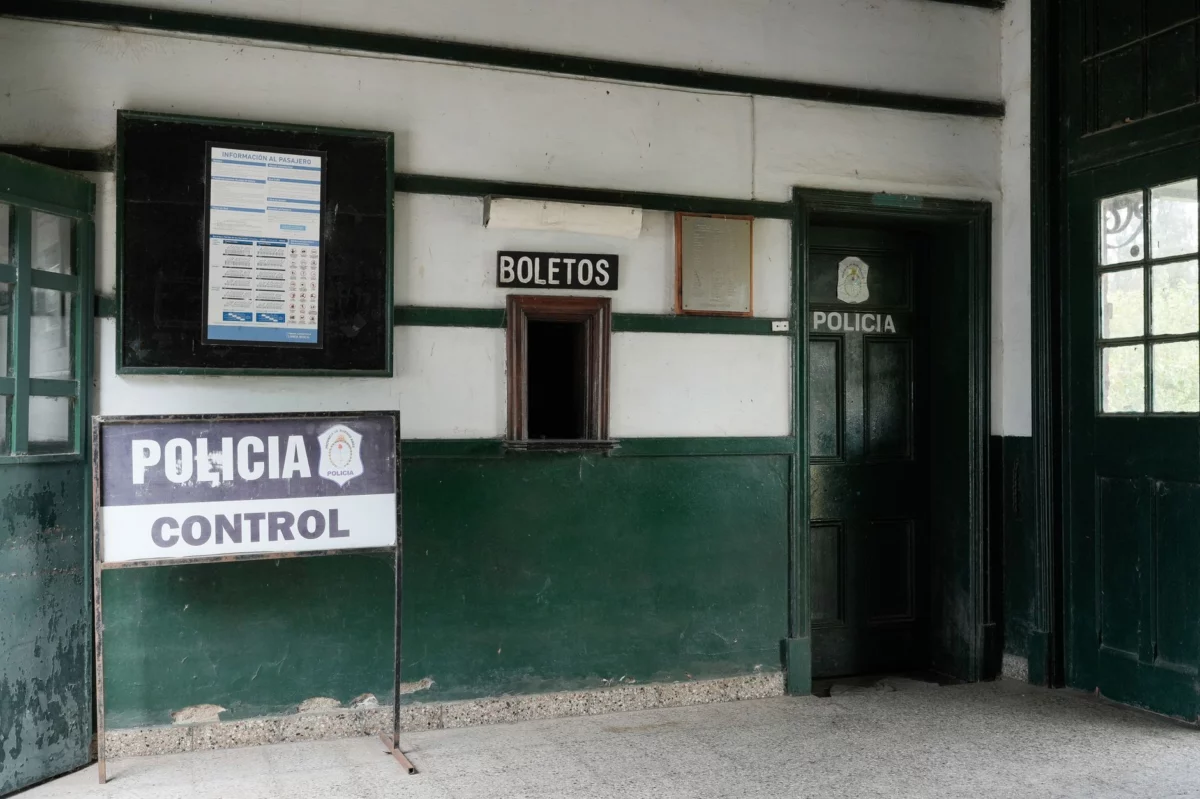
The death of a 31-year-old British woman after a stabbing at a train station in Germany is a stark reminder that transport hubs are not only points of movement, but exposed public spaces where violence can unfold in seconds. Police have confirmed the fatality, and that limited fact pattern matters: when information is still developing, the priority is accuracy, not speculation.
What is known
At this stage, the essential details are few. A woman from the United Kingdom was stabbed at a station in Germany and later died from her injuries. The incident immediately places attention on both the local response and the broader question of how secure major transit points really are. Train stations are designed for speed, access, and volume; those same qualities can make them difficult to monitor in real time.
The limits of visible security
Modern stations often project an image of control through cameras, signage, and occasional patrols. Yet such measures can only do so much when an attack is sudden and close-quarters. Security policy in these environments tends to be reactive: it records events, responds after the fact, and tries to reconstruct what happened. That is not the same as prevention. If public transit authorities want to reduce risk, they need not just surveillance, but faster intervention, better staff presence, and clearer protocols for identifying threats before they escalate.
Cross-border implications
Because the victim was British, the case also carries a consular dimension. In incidents like this, communication between local police, national authorities, and foreign representatives becomes important quickly. Families need confirmation, support, and reliable updates; the public needs facts rather than rumor. This is where police statements matter most. They should be cautious, specific, and consistent, because a vacuum of information often gets filled by confusion.
The larger issue is uncomfortable but unavoidable: public spaces cannot be made risk-free, only better managed. A station should not feel like a site where fatal violence is plausible, yet isolated attacks continue to expose the fragility of urban security. The lesson is not to retreat from public transit, but to examine whether the systems meant to protect it are strong enough to match the reality of the places they serve.
Frequently Asked Questions
Why do train stations remain vulnerable even when they have cameras and security staff?
Train stations are built for openness, speed, and heavy foot traffic, which makes them hard to control fully. Cameras can help document incidents, but they rarely stop a sudden attack in progress. Security staff also cannot be everywhere at once, so the main challenge is improving response time and early threat detection rather than assuming surveillance alone can prevent violence.
Does the fact that the victim was British change how the case is handled?
Yes, it adds a consular dimension. German police still lead the investigation, but British authorities may be involved to support the family, confirm identity, and coordinate updates. In cross-border cases, clear communication matters because relatives and the public need verified information, not rumors or speculation while the facts are still being established.
Why is it important not to speculate when details are still limited?
Early reports can be incomplete or wrong, especially in violent incidents where police are still gathering evidence. Speculation can mislead the public, spread false narratives, and make it harder for investigators to work carefully. A limited fact pattern means the most responsible approach is to stick to confirmed details and avoid filling gaps with assumptions.
Can transport authorities realistically prevent attacks like this one?
They cannot eliminate risk entirely, but they can reduce it. That usually means more visible staff presence, faster intervention protocols, better coordination with police, and designs that make it easier to notice dangerous behavior early. The goal is not perfect safety, which is unrealistic, but a system that can identify and respond to threats more effectively.
What does this incident say about public safety in busy urban spaces?
It shows that public spaces can feel orderly without being fully secure. High-volume areas like train stations are exposed by nature, and a single violent act can reveal how fragile protection systems are. The broader lesson is not to avoid public transit, but to keep improving the mechanisms that make these places safer and more resilient.
2 thoughts on “Fatal Stabbing at a German Train Station Raises Hard Questions About Public Safety”