
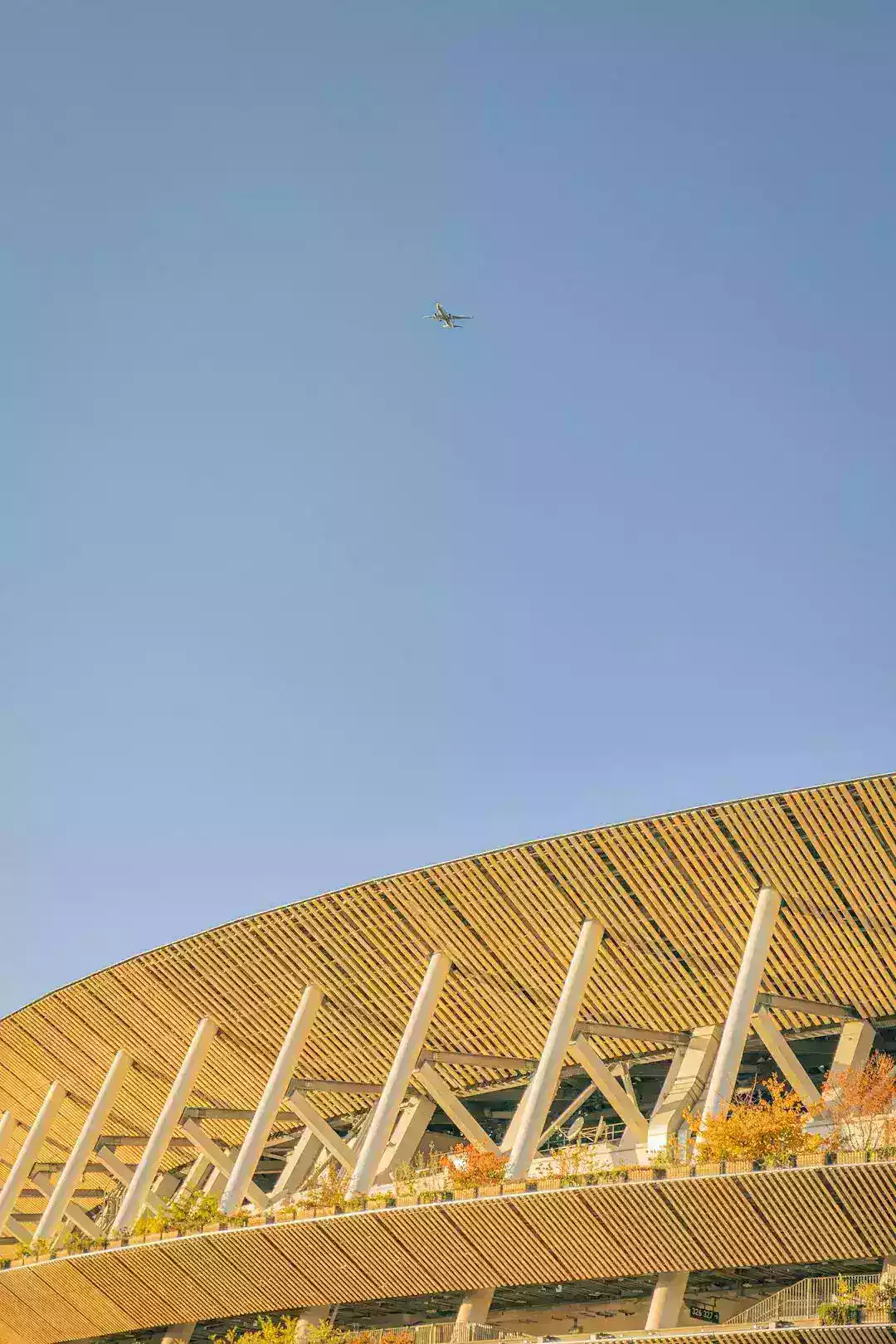
A stadium flypast is not just a spectacle; it is a test of aviation discipline under public scrutiny. Readers searching this topic want one answer: was the low flypast over a packed stadium a calculated display of skill or an avoidable safety risk? The reality is stricter than the debate suggests. Safety depends on the aircraft profile, the approved flight path, crowd position, weather, and whether the maneuver was authorized as an air display or improvised for effect.
Key Takeaways
- Low flypasts feel dangerous because the margin for error is visible to everyone.
- Regulated air displays rely on approvals, separation rules, and crowd-management planning.
- Public trust improves when organizers explain the safety case, not just the spectacle.
Why does a low flypast over a packed stadium divide opinion?
The split is predictable. Supporters read precision, training, and aircraft handling; critics read unnecessary exposure over a dense crowd. That tension is amplified because spectators judge risk by sightline, not by technical data. A pass that looks clean to pilots can still feel reckless to people beneath it.
The phrase
Frequently Asked Questions
How can a stadium flypast be considered safe if it looks extremely low to spectators?
A flypast can be safe when it is planned around approved altitude limits, aircraft performance, crowd exclusion zones, and a verified flight path. What looks alarming from the stands is often a carefully controlled angle of approach. The key issue is not the visual impression alone, but whether the maneuver stayed within the safety case approved in advance.
What makes an authorized air display different from an improvised low pass?
An authorized air display is built on permits, risk assessments, separation rules, and coordination with air traffic control and event organizers. An improvised low pass may lack those safeguards, which is why it raises far more concern. The difference is not just paperwork; it determines whether the pilot’s maneuver was planned with crowd safety as the priority.
Why does crowd position matter so much in assessing flypast risk?
Crowd position affects how much separation exists between the aircraft and people on the ground, as well as whether the flight path passes directly over spectators or only near them. A pass over an open area is very different from one over the center of a packed stadium. The same altitude can carry very different risk depending on where people are seated.
Can weather make a legal flypast unsafe on the day?
Yes. Even a compliant flypast can become risky if wind, visibility, turbulence, or cloud conditions change the aircraft’s handling or the pilot’s ability to hold the intended line. That is why safety decisions are not based only on the original plan. Real-time weather checks are essential before and during any low-level maneuver.
Why do some low flypasts feel more dangerous on video than in person?
Video often compresses distance and can make the aircraft appear lower and faster than it really was. Camera angle, lens choice, and sound all intensify the sense of danger. That said, a dramatic-looking video does not automatically mean the maneuver was safe. The proper judgment depends on flight data, approvals, and the actual separation from the crowd.
If no incident occurred, does that mean the flypast was acceptable?
Not necessarily. The absence of an incident only means the maneuver did not end in harm, not that the risk was justified. Safety reviews look at whether the operation was proportionate, authorized, and necessary. A pass can be technically completed without injury and still be criticized if it exposed spectators to avoidable risk.