
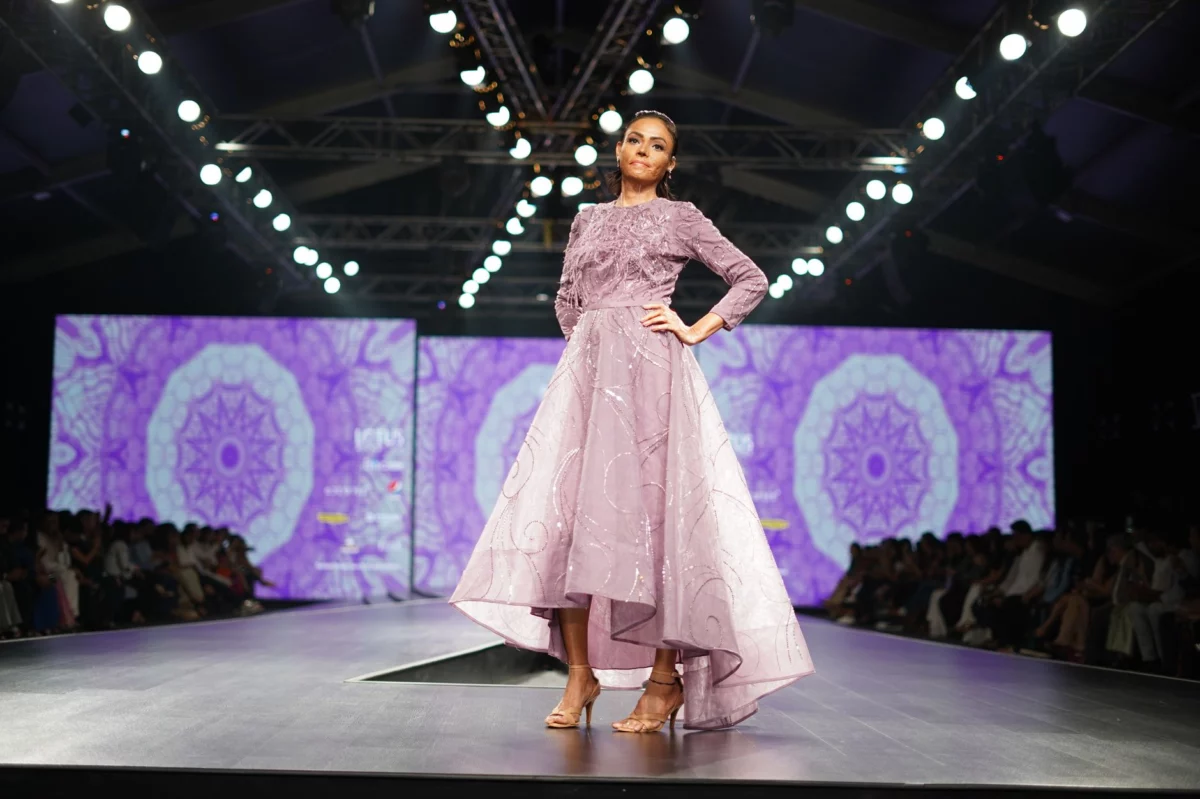
New Zealand Fashion Week is facing an uncertain future because the event now sits between rising production costs, changing buyer behavior, and a fragmented fashion media landscape. This article explains why that matters, what the pressure points are, and how designers and brands should think about the event in 2026. The core issue is not whether fashion week still has cultural value; it is whether it can still deliver measurable business outcomes for a small market.
Key Takeaways
- Fashion weeks now compete with digital launches, showrooms, and direct-to-consumer channels.
- New Zealand Fashion Week must prove commercial value, not just visibility.
- Designers need buyer access, press reach, and export-ready positioning from a single platform.
Why is New Zealand Fashion Week under pressure?
The event is under pressure because the economics of live fashion presentation have become less forgiving. Venue, staging, staffing, and content production costs are harder to justify when media attention is scattered across social platforms and brand-owned channels.
For smaller labels, the old model of
Frequently Asked Questions
What would New Zealand Fashion Week need to prove to justify its cost in 2026?
It would need to show that it can create outcomes that smaller brands cannot easily get elsewhere: real buyer meetings, stockist interest, export opportunities, and meaningful press or digital reach. In a small market, visibility alone is not enough. The event has to help labels convert attention into sales or long-term business relationships.
Why can’t fashion brands just rely on social media and skip fashion week entirely?
Social media can generate awareness, but it usually does not replicate the concentrated buyer access and industry credibility that a well-run fashion week can provide. For some brands, the issue is not reach but quality of reach: fashion week can bring media, retail decision-makers, and partners together in one place, which is harder to achieve through scattered online content.
How does the size of New Zealand’s market affect the future of the event?
A small market means fewer local buyers, fewer large sponsors, and less room for expensive events that do not lead to direct commercial gains. That makes the return on investment much harder to prove. If the event is to survive, it likely needs to serve export-focused goals rather than depend mainly on domestic audience interest.
What are the main costs that make fashion week harder to sustain now?
The biggest pressure points are venue hire, staging, staffing, production, and content creation. These costs have become more difficult to absorb because the benefits are less certain than they once were. When media attention is fragmented and buyers have more ways to discover brands, the same level of spending can produce a weaker business return.
Could New Zealand Fashion Week survive by becoming smaller or more focused?
Yes, that is one of the most plausible paths. A leaner format could prioritize buyer access, curated showcases, and export-ready brands instead of trying to serve every audience at once. That approach may reduce spectacle, but it could strengthen commercial relevance, which is what the event most needs to prove in 2026.