
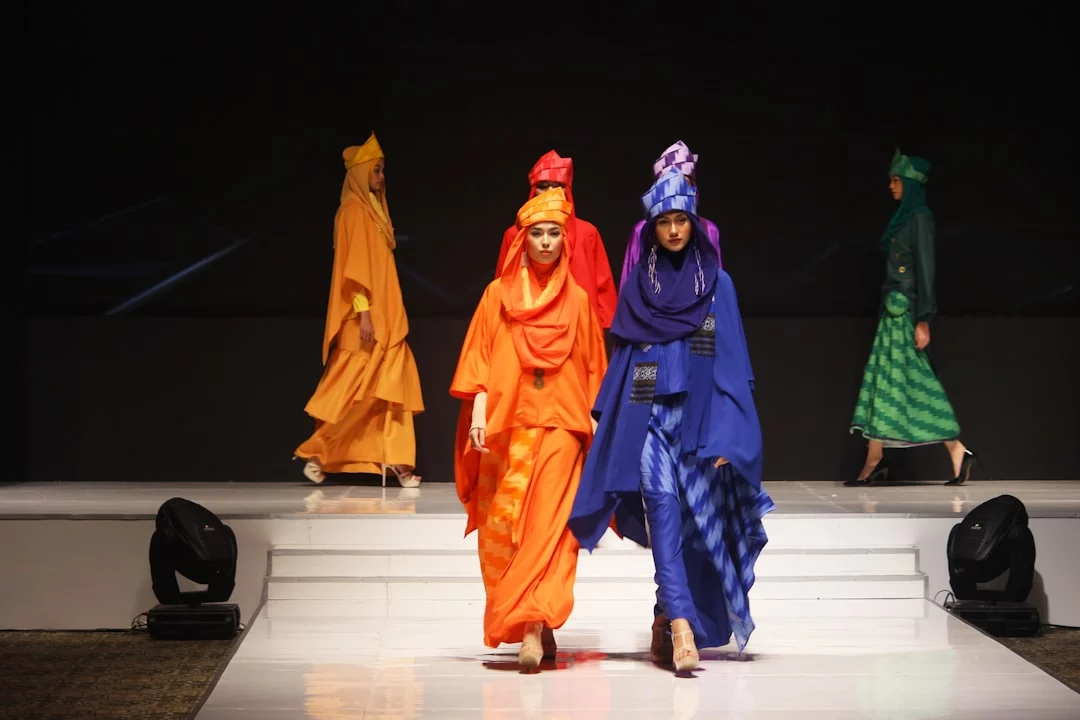
Indigenous designers in New Zealand fashion are moving from niche visibility to mainstream attention, and the practical question for brands and buyers is what this shift actually changes. In this article, you’ll learn how Indigenous-led design reshapes runway narratives, why ethical collaboration matters, and what signals to look for when supporting Māori creators.
- Visibility is not impact: check authorship, crediting, and control of cultural elements.
- Design is governance: Indigenous motifs and knowledge require consent, context, and respect.
- Commercial scale can help: retail and media distribution amplify reach when partnerships are fair.
What does
Frequently Asked Questions
What does it mean when Indigenous designers move from “niche” to mainstream attention in New Zealand fashion?
Mainstream visibility can mean brands and media platforms are paying more attention, leading to larger production runs, wider retail placement, and more runway coverage. But the shift matters only if it translates into real decision-making power, fair contracts, and proper cultural attribution—otherwise it becomes exposure without respect or lasting benefit.
How can brands and buyers tell the difference between visibility and real impact?
Start with authorship and crediting. Ask who designed the work, who is named, and how cultural elements are referenced. Most importantly, check who controls the narrative: do Indigenous creators approve the use of motifs, stories, and names, and do they retain decision-making rights beyond initial design? These are impact indicators.
Why is “ethical collaboration” more than good intentions for fashion partnerships?
Ethical collaboration requires consent, context, and ongoing communication. It means cultural knowledge isn’t treated as a free visual resource, and creators aren’t asked to “educate” brands while losing control. Fair collaboration clarifies responsibilities, timelines, and compensation, and it sets boundaries around what can be used and how it can be presented.
What does “design is governance” look like in practice?
“Design is governance” means Indigenous motifs and knowledge come with cultural rules and protocols. In practice, it involves obtaining permission for specific uses, providing appropriate contextual framing, and respecting restrictions on what can be shared publicly. It also means allowing creators to guide styling, storytelling, and presentation so the designs don’t become extracted or misinterpreted.
Can scaling up commercial production and media distribution change the outcome for Māori creators?
Yes—scale can amplify reach, but only when partnerships are fair. Wider distribution can increase demand and reduce the “one-off” nature of exposure. The key is whether revenue, branding authority, and creative control are shared meaningfully. If creators’ roles shrink as reach grows, mainstream success may still undermine impact.
What signals should shoppers, brands, or buyers look for when supporting Māori designers?
Look for clear creator attribution, transparent collaboration details, and respectful contextual storytelling—especially around cultural motifs and inspiration. Supporting signals include Indigenous-led creative direction, consent-based use of cultural elements, and compensation structures that reflect authorship. If the campaign language feels vague or credits are missing, it may indicate the work is being showcased without governance or control.