
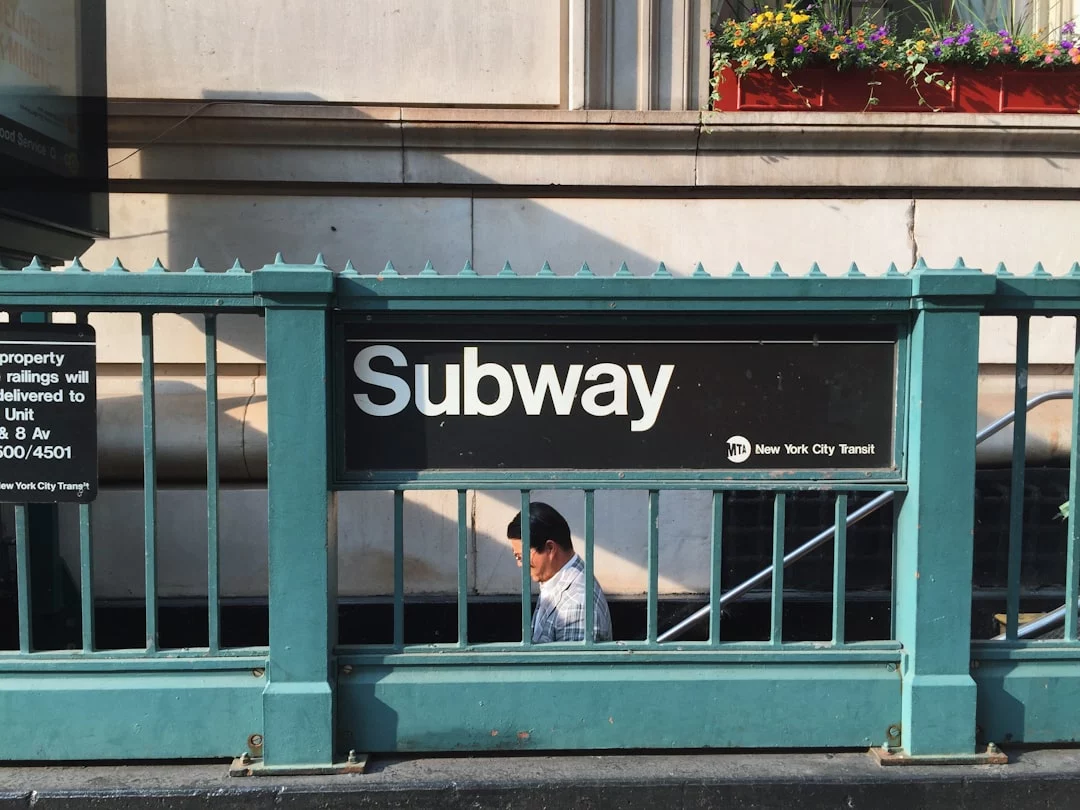
If you are trying to understand why the SubwayTakes YouTube series moved Kareem Rahma from a niche creator to an Emmy nominee, the answer is not a lucky viral clip. It is a disciplined audience model: a repeatable format, platform-native distribution, and a refusal to depend on legacy media to confer legitimacy. This article explains what drove the breakout, what it says about creator strategy in 2026, and why getting off the internet is no longer a requirement for serious cultural reach.
Key Takeaways
- SubwayTakes scaled because the format is easy to recognize and easy to share.
- Platform-first distribution matters more when audience behavior drives recommendations.
- Creator-led shows now compete with traditional media on cultural relevance, not just volume.
Why did SubwayTakes break through without traditional TV promotion?
The series works because it lowers the viewer’s cognitive load. The premise is immediate: a person, a question, a subway setting, and an answer that can be clipped, remixed, or debated. That consistency turns each episode into a recognizable unit of content rather than a one-off interview.
Rahma’s comment that avoiding the old publicity circuit made the process more fun is not a throwaway line. It points to a larger truth: when the format is clear and the voice is distinct, marketing friction drops. The show sells itself through repetition, not overexplanation.
What does this say about YouTube and the creator economy?
YouTube is still built around viewer behavior, session time, and satisfaction signals, not old-school gatekeeping. That is why creator-led formats can scale quickly when they meet a specific audience need. The platform’s own guidance on recommendations explains that discovery is shaped by what viewers choose to watch, not by prestige alone: YouTube’s official explanation of how recommendations work.
This matters in 2026 because brands and producers are chasing the wrong metric when they obsess over polish before proof. A show like SubwayTakes proves the opposite: sharp framing, recognizable pacing, and a strong on-camera voice often outperform expensive packaging.
What practical lesson should creators and marketers take from this?
Build for comprehension first, then distribution. If a concept cannot be understood in seconds, it will struggle in short-form feeds and search alike. If it cannot be repeated without losing identity, it will not become durable intellectual property.
Examples that make the pattern clear
Street interview formats, recurring host personas, and location-based premises all benefit from instant context. They also create natural search demand around names, series titles, and guest moments. That is the real lesson of Rahma’s rise: the internet did not have to be escaped to reach the Emmys; it had to be used more intelligently.
For anyone building a creator brand, the next step is simple: audit your format for clarity, repeatability, and platform fit. If those three elements are strong, traditional media becomes optional rather than essential.
Frequently Asked Questions
Did SubwayTakes need celebrity guests or high-profile moments to grow?
Not necessarily. The article suggests the format itself was the main growth engine, because it is instantly understandable and easy to clip. Guests can help create spikes, but the real value comes from the repeatable setup: a familiar host, a clear question, and a subway backdrop that viewers recognize immediately.
Why does a repetitive format perform better than a constantly changing one?
Repetition reduces friction. When viewers know what they are getting, they do not need extra context, which makes them more likely to click, watch, and share. A consistent structure also helps the series become a brand, because each episode strengthens the same identity instead of starting from zero.
Does this mean traditional media no longer matters at all?
No, it means traditional media is no longer the only path to legitimacy. The article argues that creator-led shows can now earn cultural relevance directly through platform behavior and audience response. Traditional media can still amplify success, but it is increasingly an optional accelerator rather than a gatekeeper.
What is the biggest mistake creators make when trying to copy this model?
Many focus on production polish before proving the concept. The article emphasizes that clarity, repeatability, and platform fit matter more than expensive packaging. If people cannot understand the idea in seconds, or if the format changes too much from episode to episode, it will be harder to build a loyal audience.
How does an internet-native show end up being taken seriously by institutions like the Emmys?
Because cultural legitimacy now comes from audience traction as much as from legacy distribution. A show like SubwayTakes demonstrates that strong format design, recognizable voice, and consistent engagement can create enough relevance to cross over into institutional recognition, even without following the old television publicity model.