
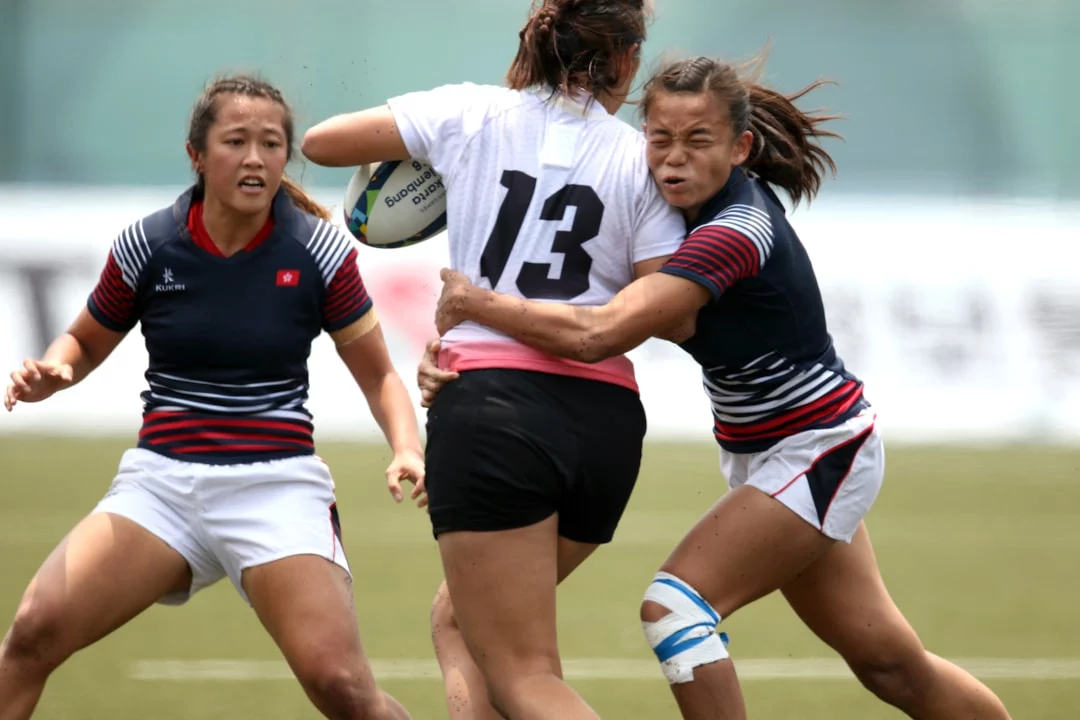
The Welsh Rugby Union (WRU) has appointed former captain Siwan Lillicrap to lead women’s coaching and development, placing a high-profile playing career at the centre of its pathway strategy. The appointment—made by the governing body responsible for rugby in Wales—signals the WRU’s intent to strengthen coaching structures across the women’s game. The move matters because coaching quality, continuity and development pathways typically determine how quickly talent converts into national-level performance.
Context: why a dedicated women’s coaching role matters
Women’s rugby development in Wales relies on multiple layers: grass-roots clubs, regional academies, national age-grade programmes and ultimately the senior setup. Within that system, coaching acts as the main
Frequently Asked Questions
What exactly will Siwan Lillicrap’s new role within the WRU focus on?
The WRU has appointed Lillicrap to lead women’s coaching and development, which suggests a remit beyond day-to-day coaching. Her focus is likely to include building consistent coaching standards, supporting coach education, and helping align age-grade programmes, regional academies and the senior pathway so players receive compatible development at each stage.
Why does the WRU believe a dedicated women’s coaching role will improve performance at national level?
In most talent pathways, the speed at which players reach national performance depends heavily on coaching quality, continuity and programme alignment. A dedicated role can reduce gaps between levels, ensure coaching methods are reinforced from grassroots to senior squads, and create clearer expectations for player development, which supports both technical growth and long-term performance.
How does Lillicrap’s background as a former captain make the appointment strategically important?
A high-profile playing career can bring credibility and an insider’s understanding of what it takes to succeed under pressure. As a former captain, Lillicrap is likely to know how leadership, game management and standards translate between environments. That perspective can help shape coaching priorities that mirror what senior setups actually demand from players.
What benefits could this have for coaches working at grassroots clubs and regional academies?
When a governing body appoints a lead for women’s coaching and development, it often enables more structured support for coaches. That can include clearer coaching guidelines, better access to development resources, and improved consistency across regions. For grassroots and academy coaches, it may also mean stronger links to the next stage of the pathway.
Will this appointment change how players progress through Wales’ women’s pathway?
While it doesn’t necessarily replace existing routes, the WRU’s intention appears to be strengthening the ‘connective tissue’ between pathway levels. By focusing on coaching continuity and development, Lillicrap’s role could make transitions smoother—helping players adapt to new demands at regional and national levels with fewer coaching mismatches and clearer development goals.
When the WRU strengthens coaching structures, what should fans watch for in the near term?
In the short term, the most visible changes are typically improvements in coaching consistency, more coordinated development planning, and enhanced coach support. Fans might notice clearer playing styles across age-grade and regional teams, better player readiness for higher-level squads, and potentially more structured identification of talent for national-age programmes.
One thought on “WRU appoints Lillicrap to new women’s role”