
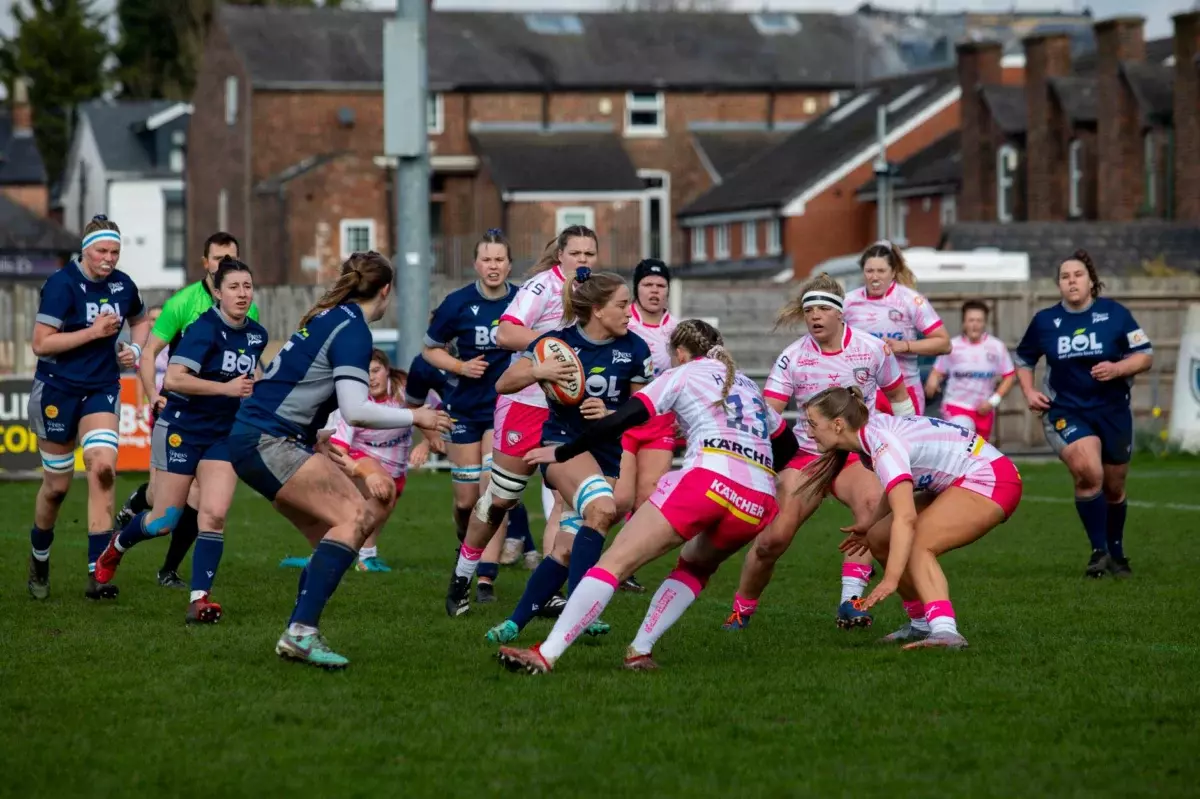
World Rugby will trial a smaller match ball in the women’s international rugby union WXV Global Series in September and October, a move that teams say will reshape handling, passing and match preparation. The change affects the sport at the elite level—where tactics are built on repeatable skill execution—prompting both support and strong criticism from players and coaches. The question is not whether women’s rugby should evolve, but whether ball-size adjustments will improve the game without adding avoidable difficulty for athletes already operating at the highest pace.
Context: What is the WXV and what does
Frequently Asked Questions
What is the WXV Global Series and why does the ball trial happen there?
The WXV Global Series is World Rugby’s elite women’s competition designed to bring top national teams together in a high-intensity, high-skill environment. World Rugby chose it as the trial platform because the matches are fast and tactical, so any equipment change—like a different ball size—can be assessed clearly in real international conditions, not just in training settings.
Why would World Rugby trial a smaller ball instead of keeping the current size?
World Rugby’s rationale is that ball size can meaningfully influence technique and game dynamics. Supporters expect improved handling, passing accuracy, and more consistent skill execution, which matters at the elite level where teams build tactics on repeatable actions. The trial aims to test whether these potential benefits outweigh any added adjustment time or complexity for athletes.
How exactly could a smaller ball change handling and passing in practice?
A smaller ball can alter grip, release timing, and the feel of contact during catches and passes. Players may need to recalibrate where they place their hands, how quickly they transfer weight, and how they manage spirals or spins. Because elite tactics rely on timing and repeatability, even small changes can affect line breaks, offloads, and accuracy under pressure.
Will teams be able to adapt in time for September and October, and who bears the adjustment costs?
Teams will have limited time to recalibrate skills, especially if they have different ball preferences or training routines. Coaches may need to adjust rehearsal plans, session focus, and match preparation to account for altered touch and passing distances. Critics argue that the adjustment burden could disrupt performance, while supporters believe the best teams will adapt quickly and show clearer benefits during matches.
Does this change the laws of the game, or is it only a temporary trial?
The announcement describes a trial for the WXV Global Series rather than an immediate, permanent law change across all competitions. That means the test is intended to gather evidence on whether ball-size adjustments improve the contest without introducing unnecessary difficulty. Depending on outcomes and player feedback, World Rugby could decide on broader adoption—or revert.
Could the smaller ball affect safety or increase error-related risks such as knock-ons and scrums becoming less controlled?
Player and coach concerns often focus on whether a new feel could lead to more knock-ons, rushed decisions, or mistimed contact, especially early in the trial. The goal for proponents is improved consistency, but opponents worry that adaptation challenges could raise error rates during high-speed phases. Safety impacts would need to be evaluated alongside performance and skill execution data.
One thought on “Smaller ball trial in women’s rugby divides opinion”