
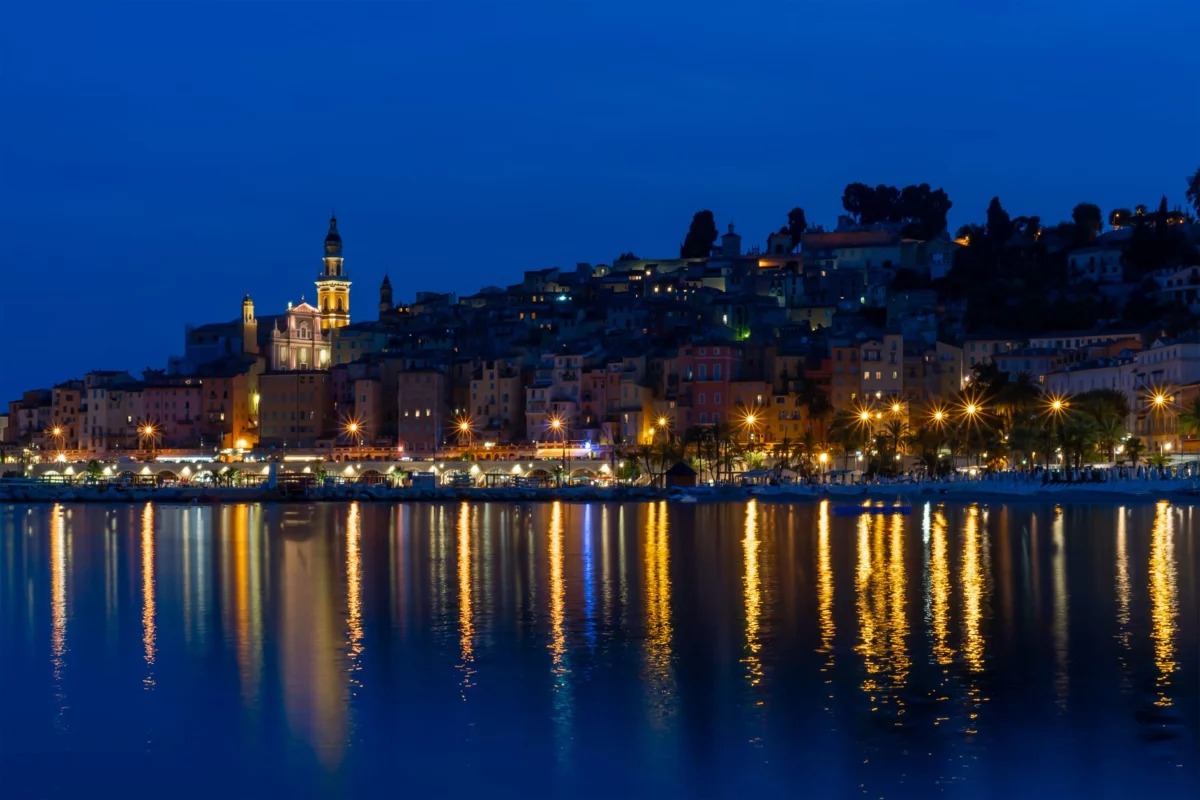
French authorities are investigating a night-time break-in at a Renoir museum on the French Riviera after thieves stole three paintings from the collection. Police have not publicly identified the suspects or the exact circumstances of the theft, and they have not stated a motive. The incident raises concerns about museum security as high-value works remain a target for organized art crime networks.
Context: Why targeted art theft matters on the Riviera
The museum—dedicated to the legacy of Pierre-Auguste Renoir—sits on the French Riviera, a region that combines dense tourist footfall with valuable cultural holdings. In such settings, even a short window of vulnerability can lead to significant losses, especially when works are displayed behind limited physical barriers or where access controls depend on small staff teams.
Art theft is not a new phenomenon in Europe, but authorities continue to warn that it can generate high returns relative to risk. Europol’s assessments of serious and organized crime repeatedly describe stolen cultural property as a persistent criminal market, often linked to trafficking routes that can move works across borders before they are identified.
What investigators know so far
According to the reporting around the case, thieves took three Renoir paintings from the museum. French police confirmed the theft and said the investigation is ongoing, with efforts focused on identifying the entry method, the timeline of the break-in, and the path the perpetrators used to leave the premises.
Officials have not released key details such as the exact time the museum was accessed, the condition of the gallery doors, or whether alarm systems were triggered. That absence of information matters, because it limits how quickly museums and local operators can assess whether the attack exploited a known weakness—such as delayed alarm response, insufficient perimeter monitoring, or reliance on manual procedures.
Multiple angles: security failures vs. market incentives
In high-profile art crimes, the explanation typically falls into two categories: operational security gaps and criminal incentive structures. Investigators will usually examine whether surveillance coverage missed the critical moments, whether lighting conditions reduced camera effectiveness, or whether staff response times allowed thieves to remove works before authorities were alerted.
However, motive also shapes how thefts unfold. Art crime is frequently driven by resale value, commission-based trafficking, or the use of cultural assets to negotiate leverage in broader criminal operations. Interpol has long highlighted the role of illicit markets in cultural property offenses, emphasizing that stolen works may be moved and reintroduced through complex networks rather than disposed of quickly.
These cases also show a pattern: perpetrators often target museums where transport logistics can be improvised—such as by using vehicles that blend into tourist or residential traffic—and where artworks may be removed rapidly without lengthy disassembly.
Expert perspectives and data points on art crime
Art crime specialists and law enforcement units often stress that many stolen works remain untraceable for years because the identification chain is fragmented. Without consistent documentation, database submissions, and cross-border notifications, even legitimate recovery efforts can stall.
One industry response has been to improve preventive documentation and traceability. Museums increasingly maintain detailed condition reports, high-resolution imaging, and standardized records to support authentication and claims processing. The need for such readiness aligns with the approaches promoted by international law enforcement cooperation mechanisms, which depend on accurate descriptions to match recovered items to theft records.
At the same time, security experts routinely argue that
Frequently Asked Questions
What information have French authorities publicly released about the Renoir museum theft?
According to the reporting, French police confirmed the theft of three Renoir paintings and said the investigation is ongoing. However, they have not publicly identified the suspects or the motive. Key operational details—such as the exact time the museum was accessed, whether alarms were triggered, and the condition of gallery doors—have not been released.
Why does targeted art theft matter so much on the French Riviera specifically?
The French Riviera combines high tourist footfall with valuable cultural collections, meaning even a brief vulnerability can create major losses. In locations where barriers are limited or access relies on small staff teams, thieves may exploit narrow time windows. High-value works also attract organized art crime networks that can move stolen items across borders before they are identified.
How do investigators typically figure out whether the break-in was due to security gaps or opportunity?
Investigators usually examine multiple angles: surveillance coverage during the critical moments, whether lighting reduced camera effectiveness, and how quickly staff responded after any alerts. They also look for entry method details and the timeline of the break-in. If information like alarm timing or door condition is missing, it becomes harder to determine whether known weaknesses were exploited.
What role do criminal incentives and art markets play in cases like this?
In many high-profile art thefts, the motive is tied to resale value and illicit distribution rather than personal gain alone. Art crime can involve resale, commission-based trafficking, or stolen cultural assets used to support broader criminal operations. International agencies have noted that stolen works may be moved and reintroduced through networks instead of being sold quickly.
How can better documentation help museums recover stolen paintings and avoid long-term losses?
Specialists stress that many stolen works are untraceable for years when identification records are fragmented. Museums increasingly improve preventive documentation by keeping detailed condition reports, high-resolution imaging, and standardized records. This supports authentication and claims processing, and it helps cross-border cooperation efforts match recovered items to verified theft records.
One thought on “Thieves Steal Three Paintings From Renoir Museum on the French Riviera”