
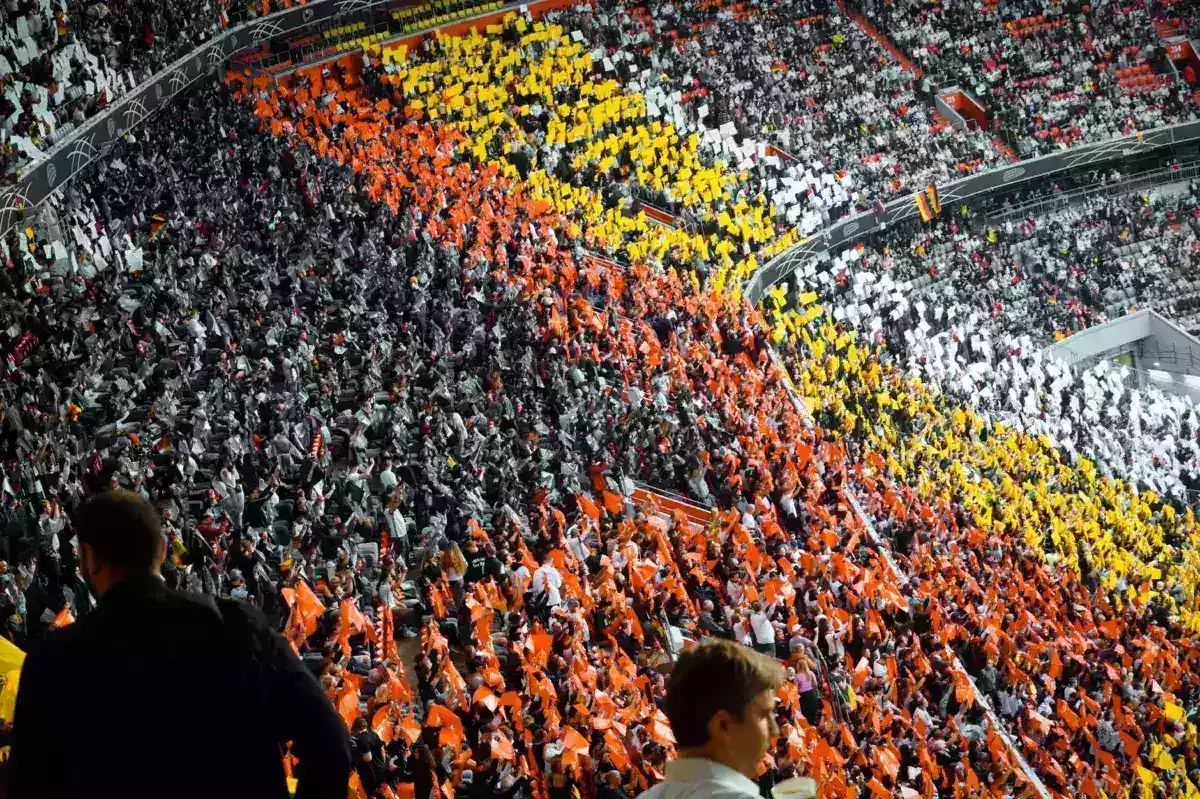
Red Star Belgrade’s ultras unveiled a large tifo depicting Ratko Mladić, a convicted war criminal, ahead of their Sunday derby win over Partizan Belgrade in Belgrade. The display, shown during pre-match choreography, drew immediate criticism from human-rights advocates and renewed scrutiny of how football fandom can intersect with the glorification of individuals convicted of atrocities. The incident matters because it tests how Serbian authorities, domestic leagues, and European competitions respond when ultra culture shifts from
Frequently Asked Questions
What does it mean when ultras unfurl a “tifo,” and why is it taken seriously in football?
A tifo is large pre-planned choreographed artwork—often banners or coordinated displays—created by organized supporters. Because it appears on television and in stadiums, it can act like a public statement rather than “just fan art.” When a tifo targets controversial figures, it attracts criticism, media attention, and potential regulatory action from leagues and competition bodies.
Why did honoring Ratko Mladić in a derby create renewed scrutiny beyond just one match?
Mladić is a convicted war criminal, so featuring his image shifts the debate from sports rivalry to the public glorification of atrocity. Human-rights advocates treat it as a sign of how extremist or hateful narratives can be normalized in mainstream settings. The renewed scrutiny also reflects concern about whether authorities and football bodies respond consistently and effectively.
How might Serbian authorities or football regulators respond to this kind of ultra display?
Responses can range from investigations and stadium-safety measures to fines, bans for specific supporter groups, and sanctions on the club. Regulators may also assess whether the display violates laws on hate or glorification of war crimes. The outcome often depends on evidence, prior incidents, and whether authorities consider deterrence and precedent.
Could this affect Red Star Belgrade’s standing in domestic or European competitions?
Potentially, yes. Many competitions have rules covering discriminatory conduct, political or extremist messaging, and misconduct by supporters. If governing bodies view the tifo as a serious breach, they may impose disciplinary measures even if the club claims it was driven by ultras. Whether sanctions follow depends on the governing body’s assessment and any documented responsibility.
Does this incident suggest ultra culture in Serbia is changing, or is it part of an established pattern?
The article implies the display “tests” how institutions react when ultra culture crosses into glorifying convicted atrocities. Whether it’s a new shift or an intensification of existing behavior, the key issue is that football becomes a platform for political and ideological signals. Critics use moments like this to argue that earlier warnings and enforcement have not been strong enough.
One thought on “Red Star derby tainted by tifo honoring convicted war criminal Ratko Mladić”