
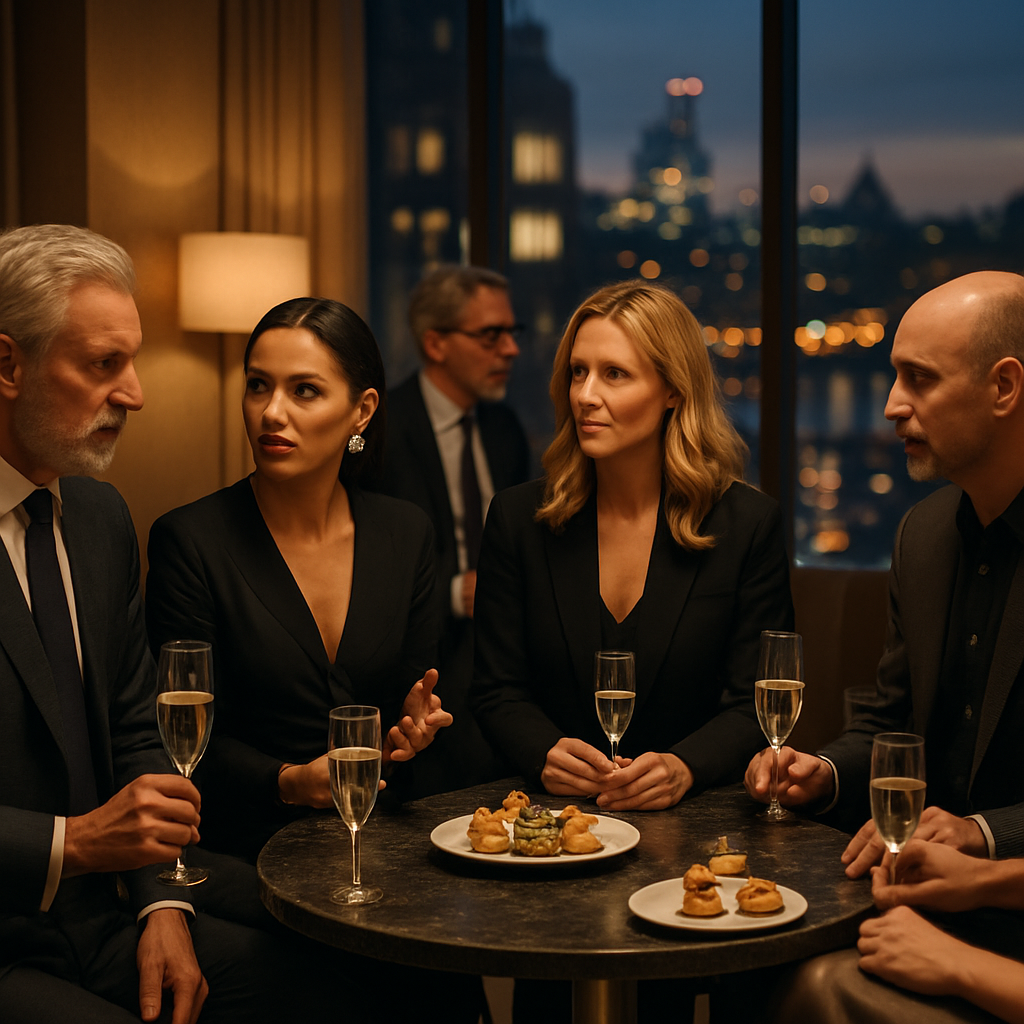
Senior leaders from Bottega Veneta, Harrods, Bvlgari, Selfridges, Manolo Blahnik and Tiffany & Co gathered in London for an intimate evening focused on one of the most closely watched topics in the luxury sector: artificial intelligence. Hosted by The Business of Fashion, the aperitivo brought together decision-makers from fashion, beauty and retail to exchange ideas on how emerging technology is reshaping the customer experience and the business behind the brand.
Why AI matters to luxury now
For luxury houses, AI is no longer a futuristic concept reserved for tech teams. It is becoming a practical tool for improving forecasting, sharpening product discovery and supporting more personalized service. In a market where exclusivity and attention to detail define value, the challenge is not whether to use AI, but how to use it without losing the human craftsmanship that customers expect.
Balancing efficiency with brand identity
That tension was at the heart of the conversation in London. Luxury brands are exploring how AI can help teams analyze customer behavior, anticipate demand and streamline behind-the-scenes operations, while still protecting brand voice and creative integrity. For houses built on heritage, the opportunity lies in using technology to enhance the experience rather than automate it away.
Personalization with a human touch
One of the most promising applications is clienteling. AI tools can help associates understand preferences, buying patterns and timing, making interactions more relevant and informed. In beauty and fashion retail, that can translate into more thoughtful recommendations, better inventory alignment and stronger loyalty. Yet the consensus among senior leaders appears clear: technology should support the relationship, not replace it.
A wider conversation across the industry
The evening also reflected a broader shift taking place across luxury. From creative development to customer analytics, AI is influencing how brands plan, sell and communicate. Events like this provide a rare chance for executives to compare notes in a relaxed setting, away from the pressure of product launches and quarterly targets. In that exchange, the industry can begin to define standards for responsible adoption, including data use, transparency and the role of human judgment.
As luxury brands continue to navigate a rapidly changing landscape, the London gathering suggested that the most successful strategies will likely blend intuition, artistry and intelligence in equal measure. The future of fashion and beauty may be increasingly digital, but its strongest ideas will still depend on the same thing that has always mattered most: a deep understanding of people.