
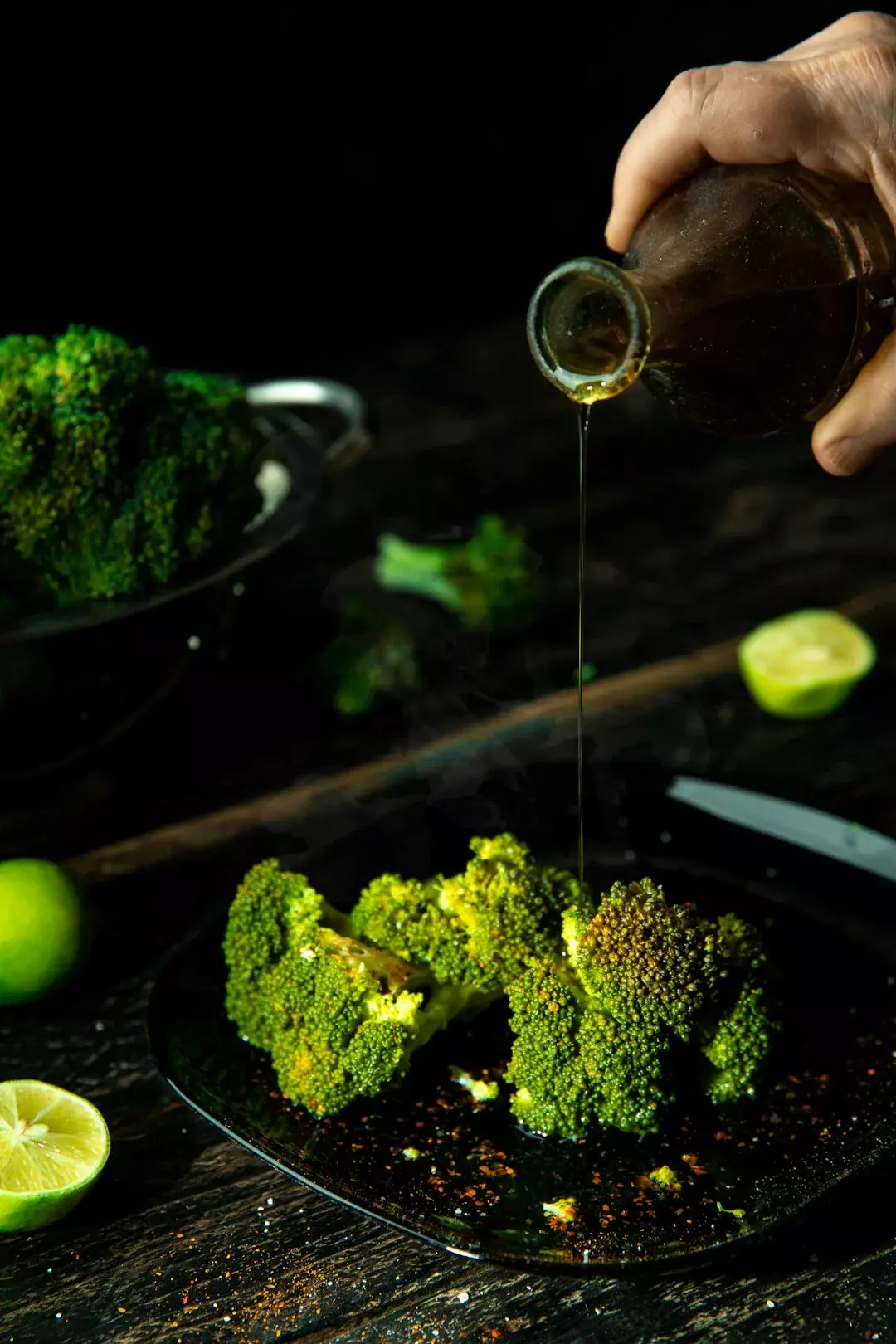
If your goal is a basil vinaigrette that tastes like fresh pesto but stays lighter, this guide shows you exactly how to blend it, prevent browning, and use it on broccoli, roasted vegetables, and grilled seafood. You’ll learn the key ingredient ratios, why Dijon helps the dressing emulsify, and how to make it practical for weeknight salads without turning basil into an unappetizing brown mess.
Key Takeaways
- Blend a fresh oil–vinegar–mustard emulsion for a stable basil dressing.
- Use an ice cube trick to slow enzymatic browning and keep the vinaigrette greener.
- Let hot vegetables cool before dressing to preserve color and flavor.
- This works as both a drizzle and a clingy sauce for broccoli-style salads.
How do you make a basil vinaigrette that won’t taste oily?
The core method is simple: blitz fresh basil leaves with extra-virgin olive oil, apple cider vinegar (or white wine/red wine vinegar), Dijon mustard, a small amount of garlic, plus salt and pepper. The mustard is doing more than flavor work—it helps emulsify the watery vinegar with the oil so the dressing coats instead of separates.
For balance, keep garlic restrained. Raw garlic can dominate a basil profile quickly, especially in a vinegar-forward vinaigrette.
Why does fresh basil vinaigrette turn brown, and how do you stop it?
Fresh-cut herbs oxidize fast. In this recipe, the
Frequently Asked Questions
How can I make basil vinaigrette that tastes fresh and not oily?
Use a true emulsion: blend extra-virgin olive oil with vinegar and Dijon mustard until it looks slightly thickened, then add basil. Keep the basil-to-oil ratio on the lighter side (don’t drown leaves in oil). Also choose a slightly milder oil if you’re sensitive to richness, and taste before adding more oil.
Why does Dijon make a basil vinaigrette work better than just blending oil and vinegar?
Dijon mustard contains emulsifiers that help the watery vinegar disperse through the oil instead of separating. In a basil vinaigrette, this matters because the dressing needs to cling to broccoli and roasted vegetables. Without Dijon, you’ll often get a thin, oily layer at the top that won’t coat evenly.
My vinaigrette turns brown quickly—what’s the best way to keep it greener?
Basil browns due to oxidation after cutting. An “ice cube trick” helps by quickly cooling the blended mixture, slowing enzymatic browning. Also blend briefly (don’t over-process), and use the vinaigrette soon after making it. If you must store it, keep it covered and chilled.
Do I need to wait for vegetables to cool before dressing them, and why?
Yes, letting hot vegetables cool slightly helps preserve color and flavor. Heat speeds up oxidation of herbs and can make basil taste dull or muted. For the best look and taste on broccoli or roasted vegetables, drizzle or toss once they’re hot-warm rather than piping hot.
How do I get a pesto-like vibe but still keep the dressing light?
Focus on basil intensity without turning it into a paste: blend basil with a modest amount of garlic, salt, and pepper, then balance with vinegar and a little Dijon for lift. The goal is a quick, emulsified dressing, not a heavy blend. Taste and adjust vinegar first, then salt, to stay bright.
Can I make this ahead of time, and will it re-emulsify if it separates?
You can make basil vinaigrette ahead for weeknight use, but it’s best within a day or two for peak color and flavor. If it separates after sitting, whisk or shake it again, or blend briefly to rebuild the emulsion. Keep it cold and covered to slow oxidation.
2 thoughts on “Fresh Basil Vinaigrette”