
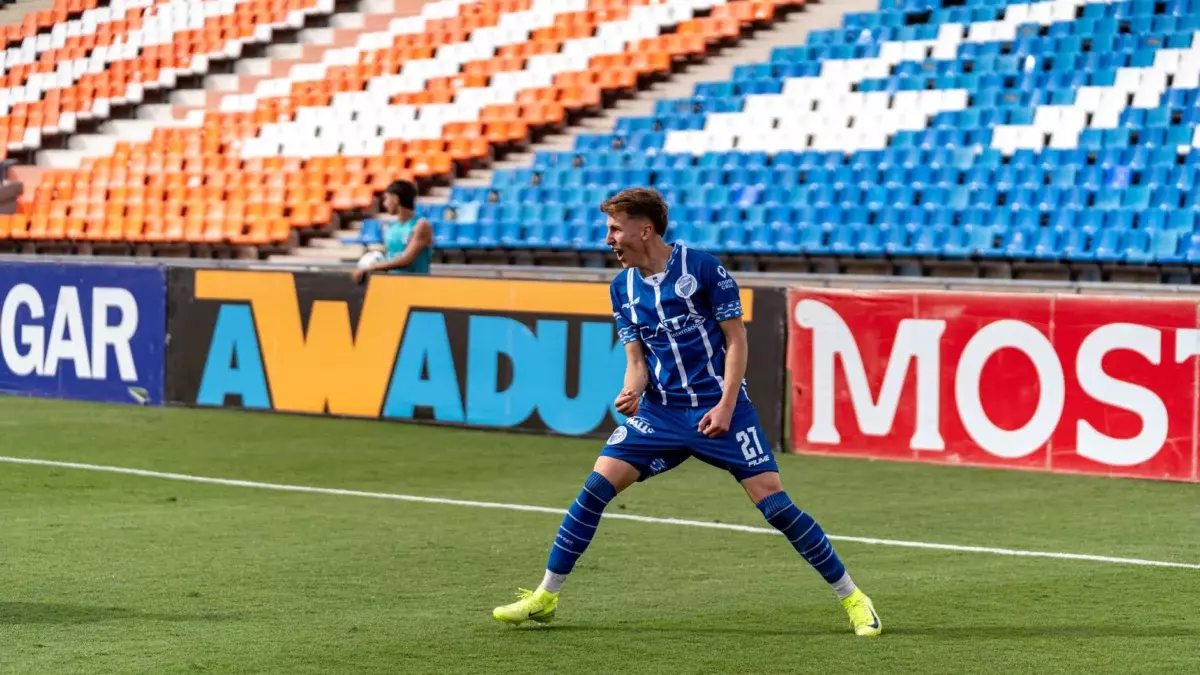
St Johnstone midfielder Josh Fowler scored twice in the first half as the Perth club beat Hibernian in a Scottish Premiership match on Saturday, delivering back-to-back league wins for St Johnstone and increasing the heat on Hibernian head coach David Gray. The result matters because it tightened the competitive picture in the table while shifting the immediate pressure onto Hibernian’s matchday performance and in-game decision-making.
According to the match report coverage from Scottish Premiership and mainstream outlets including BBC Sport, Fowler’s early goals set the tone, forcing Hibernian to chase the game and leaving Gray with fewer tactical options as St Johnstone protected their lead.
The match also underlined how quickly momentum can swing in Scotland’s top flight: a two-goal burst in one half can turn tactical plans into reactive defending, with knock-on effects for player confidence and selection choices in subsequent fixtures.
Context: Two teams at different points of their season rhythms
St Johnstone entered the game with momentum after consecutive league results, and the club’s recent run reinforced a recurring theme in Premiership football: stable defensive structure combined with efficient finishing can produce repeatable outcomes. For Hibernian, the match came at a time when results have increasingly defined the margin for error around the coaching staff.
Hibernian have faced a familiar challenge in the league—controlling phases consistently against organized opponents—while St Johnstone have often gained traction by exploiting moments when the opposition’s shape breaks down. In this fixture, that pattern manifested early through Fowler’s double.
In Scotland, where the Premiership schedule compresses recovery and training windows, early goals often dictate whether a team can execute its intended game plan. Football data companies and match-analysis teams—such as Opta and StatsBomb through public reporting—regularly show that teams that score before halftime tend to carry higher win probabilities, reflecting both psychological advantage and clearer tactical pathways.
Main body: Fowler’s first-half double shifts the match in minutes
Fowler found the net twice during the first half, a decisive sequence that immediately changed how both sides approached the remaining 45 minutes. Once the scoreboard moved, St Johnstone no longer needed to open the game up; they could manage distance, slow transitions, and reduce risk in possession.
For Hibernian, the same moment created a different problem: chasing a lead typically increases long-ball frequency, stretches midfield cover, and forces attackers to operate under greater scrutiny. That tends to create fewer clean opportunities while also inviting counterattacks—an outcome St Johnstone are built to punish.
While St Johnstone’s offensive threat came through Fowler, the more important tactical detail was the support around the goals. In matches where a striker scores a brace, the underlying driver is usually service quality—runs into the half-space, timed deliveries into dangerous zones, and the ability to sustain pressure long enough to generate repeats.
From Hibernian’s perspective, the early concession likely affected more than the scoreline. Teams that concede quickly frequently lose their planned rhythm, and their defensive line can become uncomfortable as they reset under time pressure. Gray’s selection and adjustments—substitutions, shape changes, and instructions around pressing triggers—would therefore carry heightened importance.
Multiple angles: Tactical management, pressure on Gray, and the league impact
St Johnstone’s win does not rely on one headline moment; it also reflects how they responded after taking the lead. In recent Premiership matches, teams that win by margins like a brace often show better control of second-half tempo, because the leading side can choose when to accelerate and when to slow the game.
For Hibernian, the pressure on Gray is a direct byproduct of results and patterns. The match report narrative—
Frequently Asked Questions
Why were Fowler’s first-half goals so decisive for the rest of the match?
Scoring twice before halftime changes the “job” for both teams immediately. St Johnstone could protect the lead by managing space, slowing transitions, and taking fewer risks in possession. Hibernian, meanwhile, had to chase the game, which usually reduces control, increases speculative attacking, and makes defensive resets harder as the clock ticks.
How does going behind early affect Hibernian’s tactics and shape?
When a team is chasing a goal from an early point, it often has to sacrifice structure for urgency. That can mean more direct balls, stretched midfield cover, and attackers operating under tighter scrutiny. The result is fewer clean chances and a higher risk of counterattacks, especially against opponents built to punish openings in transition.
What does St Johnstone’s ability to “manage tempo” after scoring suggest tactically?
Their response after Fowler’s double matters because it shows game management, not just finishing. Leading sides typically choose when to speed up and when to slow the match down, controlling the distance between lines. That helps them limit opponents’ passing lanes, reduce chaos during defensive phases, and improve the chance of repeating the same patterns that created the goals.
What is the real significance of the win for the league table and pressure on David Gray?
The competitive picture tightens when a team secures back-to-back league wins, because it compresses the gap between clubs chasing form and results. For Hibernian, losing after conceding early increases pressure on matchday decisions—how they set their starting structure, when they adjust shape, and what changes they make under in-game momentum.
Why are early goals often linked with higher win probabilities in the Scottish Premiership?
In Scotland’s Premiership schedule, recovery and training windows are compressed, so teams rely heavily on having their plan working quickly. Early goals provide psychological advantage and a clearer pathway: the leading team can execute a low-risk approach while the opponent becomes reactive. Public match-analysis reporting frequently highlights this pattern statistically.