
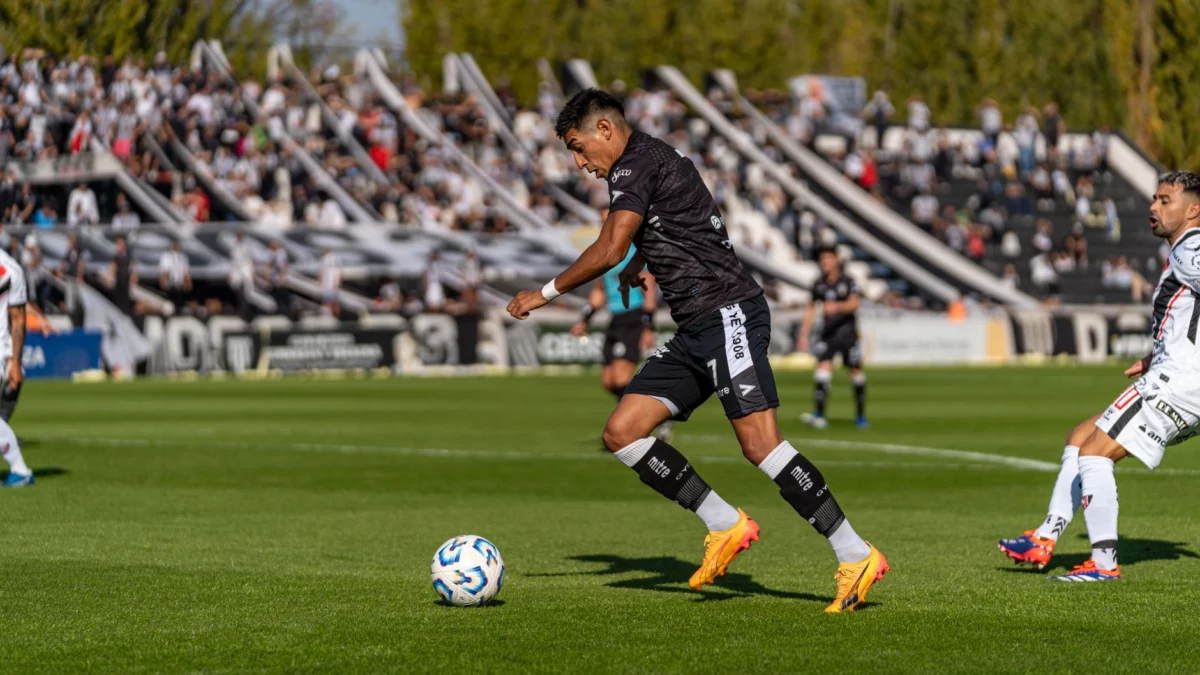
Football fans are seeing a surge in transfer news and
Frequently Asked Questions
Why does the transfer rumor cycle speed up right when clubs start finalizing plans for the new season?
As pre-season planning firms up, clubs identify gaps in the squad and lock budget priorities. That internal shift creates urgency, which leads to more contact with agents and more media activity. Rumors also spread faster because multiple clubs can act simultaneously, turning quiet negotiations into frequent updates. In short, the “finalizing” phase makes information harder to keep contained.
How reliable are transfer rumors during this accelerated period?
Most rumors are incomplete snapshots, not confirmed deals. Journalists often report credible links, but details can change quickly due to wages, medical timelines, work permits, or competing bids. The faster the cycle, the more likely you’ll see speculation framed as progress. A good rule: wait for consistent reporting across multiple outlets or official club statements before treating it as certain.
Do transfer rumors affect player performance or dressing-room dynamics?
They can, especially when uncertainty is prolonged. Players may feel pressure, lose focus, or become distracted by contract talk. At the same time, some teammates and coaches use rumors as motivation or to clarify roles internally. Clubs often manage this with direct communication, limited media access, and structured training plans to keep attention on pre-season objectives.
What typically changes once clubs are “finalizing” plans—do negotiations move faster?
Yes. Finalizing usually means the sporting director has confirmed targets, the manager has defined tactical needs, and finances are approved. That reduces delays and allows clubs to negotiate more decisively—often on key terms like salary structure, bonuses, and contract length. It can also trigger quicker player responses, because the timing relative to registration deadlines becomes clearer.
Why do rumors sometimes appear for big names but end without a signing?
High-profile players attract early attention, even when a deal is not realistic. Obstacles like valuation gaps, squad registration rules, wage demands, or parent-club commitments can stall negotiations. Sometimes clubs “test” the market to gauge availability, then pivot to alternatives. Rumors also persist because initial discussions can happen quietly, but final agreements require final approval from multiple parties.
What should fans watch for to separate genuine progress from noise?
Look for indicators beyond headlines: consistent reporting on the same club-by-club details, mentions of agreement on personal terms, medical scheduling, and synchronized departures or arrivals. Also pay attention to timelines—when preseason matches start to matter, clubs prioritize confirmable actions. Official announcements, kit or squad updates, and reliable transfer trackers can help validate whether a story is moving forward.