
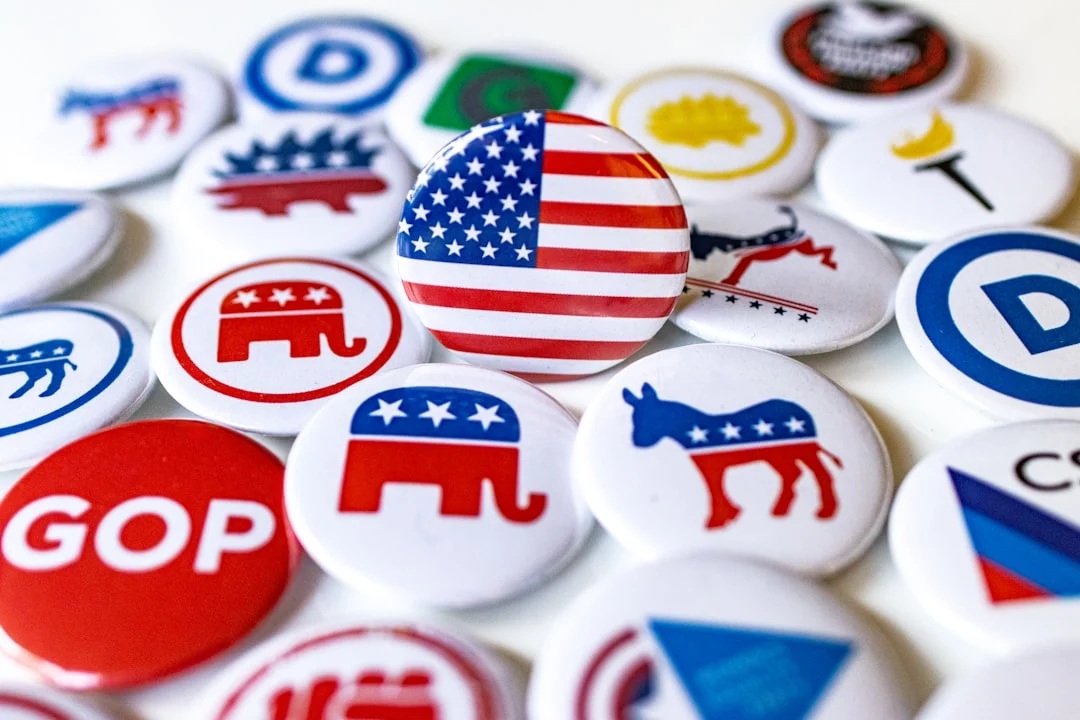
For Democrats 2028 hopefuls, this cycle’s primary endorsements are not symbolic gestures. They are rehearsals for a national campaign, designed to test message discipline, donor networks, and ideological credibility before the real fight begins. The pattern says less about goodwill than about positioning inside the Democratic Party (United States).
Why primary endorsements matter now
In a crowded primary election, an endorsement can do three things at once: legitimize a candidate, generate media attention, and signal where a would-be presidential contender stands. That is why Ro Khanna and Alexandria Ocasio-Cortez have been visible in progressive races, while Pete Buttigieg and Josh Shapiro have leaned into more moderate contests.
The strategy is practical. Endorsements create alliances with local operatives, elected officials, and donors who may matter in 2028. They also give potential nominees a chance to see whether their politics travel beyond safe territory and into contested United States House of Representatives and Senate seats.
What the mixed results reveal
Progressives are aiming for influence
Khanna’s approach has been the most aggressive: early, frequent, and often unapologetically ideological. That wins attention, but it also produces visible misses when insurgent candidates fall short or implode under scrutiny. Ocasio-Cortez has been more selective, which has made her less exposed to stumbles and more effective as a closer.
Her timing matters. Late endorsements can matter most when a race is already moving, and that makes them efficient tools for candidates trying to build a national profile without overcommitting.
Moderates are playing a different game
Buttigieg and Shapiro have used endorsements to demonstrate coalition-building rather than movement politics. Their wins in swing districts and key state races suggest a preference for candidates who can survive a general election, not just excite activists. In that sense, the race for influence is really a test of managerial competence.
Governors such as JB Pritzker and Wes Moore have kept their bets closer to home, which is rational. Local endorsements protect them from charges of national grandstanding while still letting them act as power brokers in the 2028 conversation.
What to watch next
The deeper lesson is that endorsements now operate as a vetting mechanism for 2028 United States presidential election ambitions. Voters may not remember every race, but they will remember who showed up, who won, and who chose a side when it mattered. For Democrats, that memory could shape the next presidential field more than any early poll ever will.
Focus Keyphrase: Democrats 2028
SEO Title: Democrats 2028 Primary Endorsements Signal Strategy
Meta Description: Democrats 2028 hopefuls are using primary endorsements to build alliances, test messages, and sharpen their national brands before the next race.
Slug: democrats-2028-primary-endorsements-strategy
Keyphrase Synonyms: 2028 Democratic hopefuls, Democratic primary strategy, presidential endorsement strategy, 2028 White House contenders, Democratic 2028 race
Frequently Asked Questions
Why do primary endorsements matter so much if the presidential race is still years away?
Because they work like low-risk auditions. Endorsements let Democrats test whether a message, coalition, or donor network can travel beyond a friendly audience. They also create a public record of judgment, showing who can pick winners, build alliances, and stay relevant in competitive races before 2028 arrives.
Are these endorsements mainly about helping the endorsed candidate win the primary?
Not entirely. While they can boost a candidate’s credibility and fundraising, the bigger value is often for the endorser. By choosing a side, a 2028 hopeful signals ideological alignment, demonstrates organizational reach, and gathers relationships with local leaders who may matter later in a national campaign.
Why do progressives and moderates seem to use endorsements differently?
Progressives often use endorsements to project movement energy and ideological clarity, even if that comes with more public losses. Moderates tend to treat endorsements as proof they can assemble broader coalitions and remain viable in swing areas. Both are testing different theories of how to win the party’s trust in 2028.
Do late endorsements really carry more value than early ones?
Sometimes, yes. Early endorsements can build name recognition, but late endorsements may be more powerful because they can influence a race that is already moving. A well-timed late endorsement can look strategic rather than speculative, and it may have a bigger impact on donors, media coverage, and local organizers.
Why are governors like JB Pritzker and Wes Moore keeping endorsements close to home?
That approach reduces exposure while still building influence. Local and regional endorsements let governors act as power brokers without looking like they are campaigning too openly for 2028. It also helps them avoid unnecessary controversy while they strengthen relationships and protect their image as pragmatic leaders.