
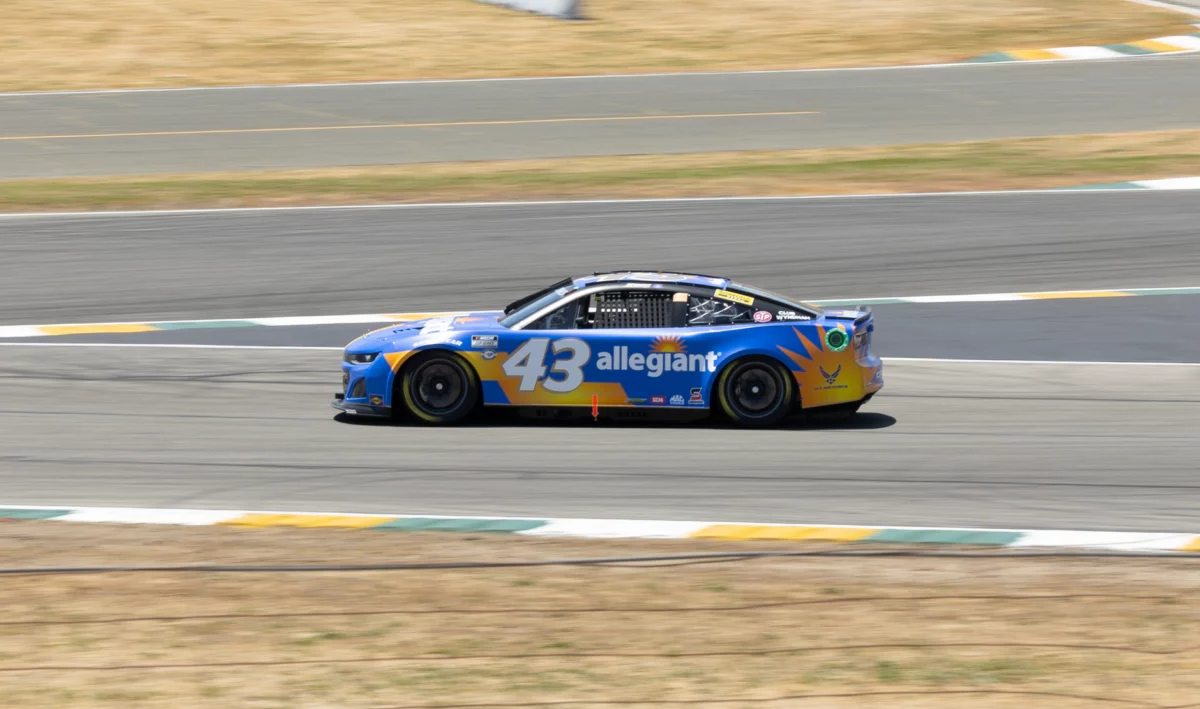
The Days of Thunder sequel puts a familiar sports-movie property back into circulation, but the real question is not whether nostalgia will sell. It is whether the 2028 follow-up can justify itself as a modern NASCAR drama with sharper character work, higher production value, and credible racing detail. This article explains what Anne Hathaway’s casting suggests, why Jonathan Levine matters, and what audiences should expect from a sequel arriving nearly four decades after the original.
Key Takeaways
- The sequel is being positioned as more than a legacy cash-in.
- Anne Hathaway’s addition expands the film’s dramatic and commercial range.
- Authentic NASCAR detail will likely matter more than simple tribute.
What does the casting choice say about the film’s direction?
Anne Hathaway’s involvement signals intent. She is not a symbolic add-on; she widens the tonal range beyond pure driver mythology and suggests a story with stronger interpersonal stakes. That matters because racing films usually fail when they confuse speed with drama.
Jonathan Levine’s track record points in the same direction. He tends to favor character pressure, emotional conflict, and clean genre structure. For a sequel to Days of Thunder, that is a smarter bet than copying the original’s bravado frame for frame.
Why does NASCAR authenticity matter here?
Modern stock-car racing is too technical to fake convincingly. Viewers now recognize pit strategy, tire management, aerodynamics, and the discipline required to survive a race weekend. A sequel that ignores those realities will read as dated rather than iconic.
The sport itself has become more structured and rule-driven, from stage racing to safety protocols, which is why surface-level spectacle is no longer enough. NASCAR’s official Cup Series overview shows how formalized the top level of stock-car racing has become, and that context should shape the film’s visual and narrative choices.
What the 38-year gap changes
The original film arrived in 1990, so this sequel is not simply revisiting a franchise; it is reintroducing it to a different audience. Younger viewers may know Cruise’s star persona more than the movie itself, while older fans will judge the project against a memory, not a template.
That creates a narrow path. The film must respect the legacy while avoiding imitation, and it must explain why a 2028 racing story still needs theatrical urgency.
What should viewers expect before June 2028?
Expect a long pre-production cycle built around vehicles, safety coordination, location access, and race choreography. Those are not cosmetic details. In a motorsport film, they determine whether the action feels engineered or generic.
The best reading of this announcement is simple: treat it as a serious attempt to update a classic racing premise for a more exacting audience. If the sequel gets the physics, the politics, and the emotional stakes right, it has a real chance to matter beyond the release calendar.
Frequently Asked Questions
Why is Anne Hathaway’s casting being treated as more than just a star cameo?
Because it suggests the sequel is aiming for broader emotional stakes, not just another driver-centered remake. Hathaway can anchor conflict outside the track, which usually helps racing films feel more human and less like extended action reels. Her presence also signals that the film may be designed to attract both legacy fans and a wider mainstream audience.
How does Jonathan Levine’s involvement change expectations for the sequel?
Levine’s reputation points toward character-driven storytelling and a cleaner dramatic structure. That matters for a racing sequel because the biggest risk is relying too heavily on nostalgia or spectacle. His style suggests the film may focus more on pressure, relationships, and emotional tension, which could make the racing scenes feel earned rather than routine.
Why can’t a modern NASCAR movie simply reuse the same formula as the 1990 original?
Because audience expectations and the sport itself have changed. Today’s viewers understand racing strategy, safety rules, and technical details much more clearly, so shallow depictions stand out fast. A sequel has to feel current by reflecting how modern NASCAR actually works, or it risks coming across as a tribute piece instead of a real drama.
What makes NASCAR authenticity so important in a sequel like this?
Authenticity is what separates a convincing sports film from a generic one. Pit strategy, tire wear, aerodynamics, and race-day decision-making are now central to how people read the sport. If the sequel gets those details wrong, the tension loses credibility. If it gets them right, the racing can become part of the storytelling instead of just background noise.
Does the 38-year gap make the sequel harder to succeed?
Yes, because it has to satisfy two very different audiences at once. Older viewers will remember the original and compare the new film against it, while younger viewers may have little connection to the property at all. That means the sequel must work as a standalone sports drama while still respecting the legacy that made the title recognizable.