
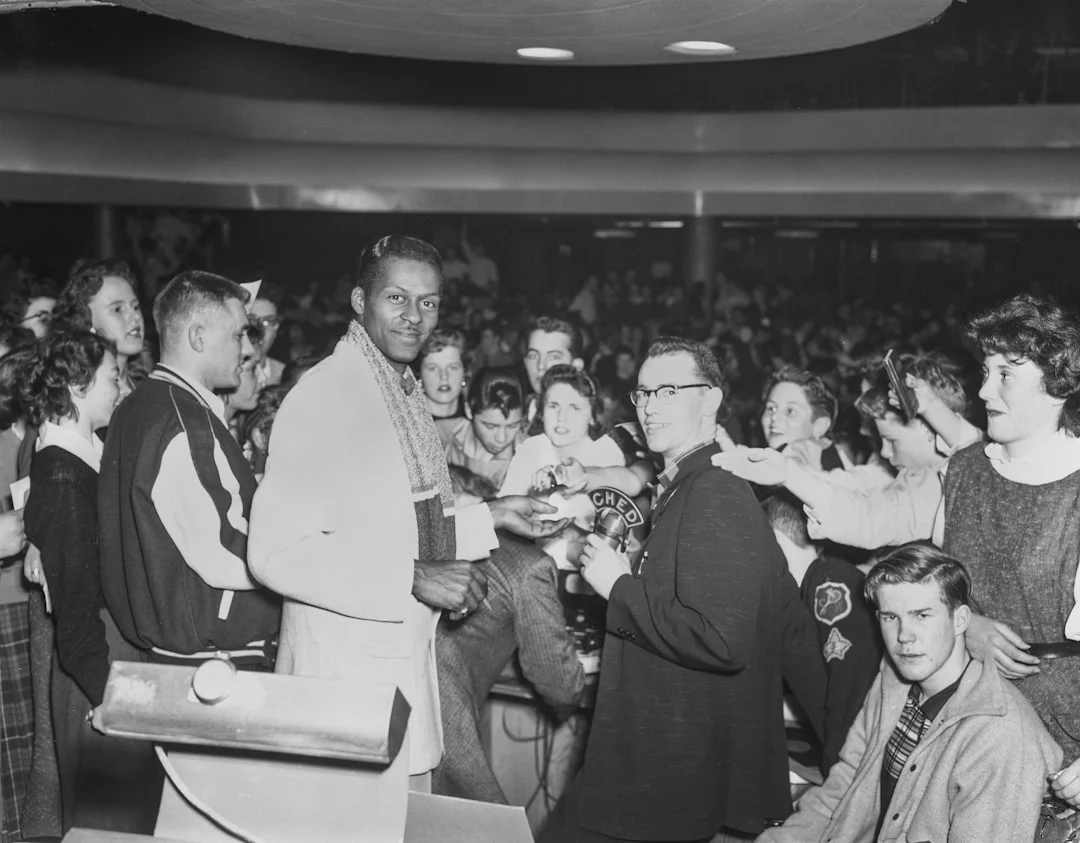
Why Dolly Parton was loved by all ages is not a sentimental mystery; it is a useful example of audience trust, clear messaging, and emotional range. This article explains why her appeal crossed generations, from songwriting that felt personal but universal to philanthropy that made her public image feel earned rather than manufactured.
- Her songs used plain language and strong hooks, so listeners did not need insider knowledge.
- Her image mixed glamour, humor, and self-awareness, which reduced cultural friction.
- Her literacy work and charity reinforced credibility beyond entertainment.
What made her appeal so broad?
Parton understood a basic rule of popular culture: people return to what feels specific and emotionally legible. Her lyrics often described ordinary desire, regret, resilience, and loyalty without abstraction. That made songs like
Frequently Asked Questions
Was Dolly Parton’s broad appeal mainly about nostalgia, or was there something more practical behind it?
It was more practical than nostalgic. The article argues that her appeal came from clear, emotionally legible songwriting and a public image that people could easily understand. She made listeners feel included rather than instructed, which helped her connect with children, adults, and older audiences at the same time.
Why did her use of plain language matter so much in her songs?
Plain language lowered the barrier to entry. Listeners did not need special knowledge, literary decoding, or familiarity with a trend to feel the meaning. That made her songs feel immediate and personal, while the strong hooks helped them stick with people across different ages and backgrounds.
How did Dolly Parton’s image avoid feeling fake or overproduced?
Her image worked because it mixed glamour with humor and self-awareness. Instead of presenting herself as untouchable, she seemed to understand the joke around her own persona and used it confidently. That reduced cultural friction and made her feel approachable, even while maintaining a highly distinctive style.
Did her charity work really affect how people heard her music?
Yes, because it reinforced credibility. When a public figure’s generosity is visible and consistent, audiences are more likely to trust the emotional sincerity of the rest of their work. In her case, literacy efforts and charity made her public image feel earned, not just carefully branded.
Why could her songs connect with both younger and older listeners without sounding simplified?
She wrote about universal emotions through concrete, everyday details. That balance let younger listeners grasp the feeling quickly, while older listeners could appreciate the nuance and lived-in realism. The songs were accessible without being shallow, which is a major reason her appeal crossed generations.