
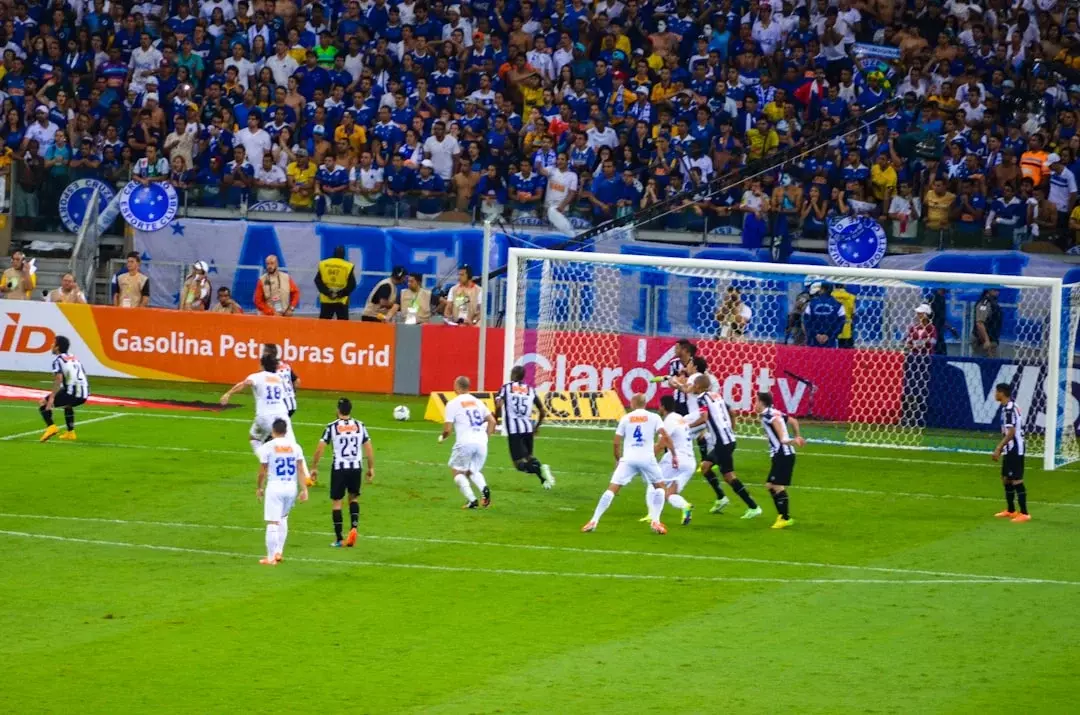
Leeds United’s second win at Nottingham Forest in three days does more than secure a place in the Carabao Cup third round. It shows a team repeating the same away formula under pressure, which is usually a better indicator of form than one isolated result. For readers looking for Leeds United Carabao Cup third round context, this match is best read as a test of tactical control, not just a scoreline.
- Leeds repeated the same winning pattern in a short window.
- Forest were beaten twice at home, which points to structural issues.
- Knockout football rewards compact shape and clean transitions.
What did Leeds do better across both matches?
The most likely answer is discipline. Leeds appear to have managed space more efficiently, especially when Forest tried to build attacks through midfield. In practical terms, that means tighter distances between the lines, quicker recoveries after losing the ball, and more direct use of transition moments.
That matters in cup football because control is often fragile. A side does not need long spells of dominance if it can force the game into low-margin phases and strike when the opponent is stretched.
Why does a second win in three days carry extra weight?
Repeat results are harder to dismiss than one-off shocks. If Leeds beat the same opponent twice, the earlier result was likely not accidental. It suggests their game plan matched Forest’s weaknesses, and that their squad management held up across a compressed schedule.
For Forest, the problem is more uncomfortable. Losing the same fixture twice in quick succession usually means the issues are tactical, not emotional. Rotation, spacing, and rest-defense all come under scrutiny when a home side cannot correct the pattern quickly.
What does the Carabao Cup format add to the analysis?
The competition is unforgiving: advance or exit, with little room to correct errors later. The EFL’s official Carabao Cup competition guide explains the structure and progression of the tournament, including the third-round stage. EFL Carabao Cup competition guide
What should fans look for next?
Leeds now need to show that this away efficiency travels beyond one opponent. Forest, meanwhile, must solve the same structural problems before they become a wider pattern. If Leeds keep defending compactly and attacking with patience, this result will look less like a cup upset and more like evidence of a team learning how to win the hard way.
Frequently Asked Questions
Why is beating Nottingham Forest twice in three days more meaningful than a single cup win?
Because repeating the same result under nearly identical conditions is a stronger sign of a working match plan. A one-off upset can happen through luck or variance, but two away wins suggest Leeds consistently exploited the same weaknesses. It also shows their approach held up under a tight schedule, which is a better test of reliability.
Does this result mean Leeds have solved their away form issues for good?
Not necessarily. It shows they found a formula that worked very well against one opponent in a specific cup setting. The real question is whether the same compact defending and transition threat can travel to different teams and different game states. One strong away pattern is encouraging, but it is not yet proof of a permanent fix.
What exactly does the article mean by Leeds controlling the game without dominating possession?
It means Leeds may not have had the ball for long periods, but they controlled the most important moments. In knockout football, that can be enough if a team keeps its shape, limits dangerous central spaces, and reacts quickly after losing possession. The aim is to make the match low-risk and capitalize when the opponent is stretched.
Why are Forest’s problems described as structural rather than emotional?
Because losing the same fixture twice at home in quick succession usually points to tactical flaws that are hard to hide. If the issue were mainly confidence, a second match would often look different. Instead, repeated problems in spacing, midfield access, or defensive rest shape suggest the team’s structure is not matching the demands of the opponent.
How does the Carabao Cup format change the way this result should be interpreted?
The Carabao Cup gives teams very little margin for error. One poor spell can end the run, so compact defending and efficient transitions become more valuable than long spells of control. Leeds’ win matters because it suggests they managed the kind of low-margin match situations that usually decide knockout ties.
3 thoughts on “Leeds’ Second Win at Forest Signals Real Cup Progress”