
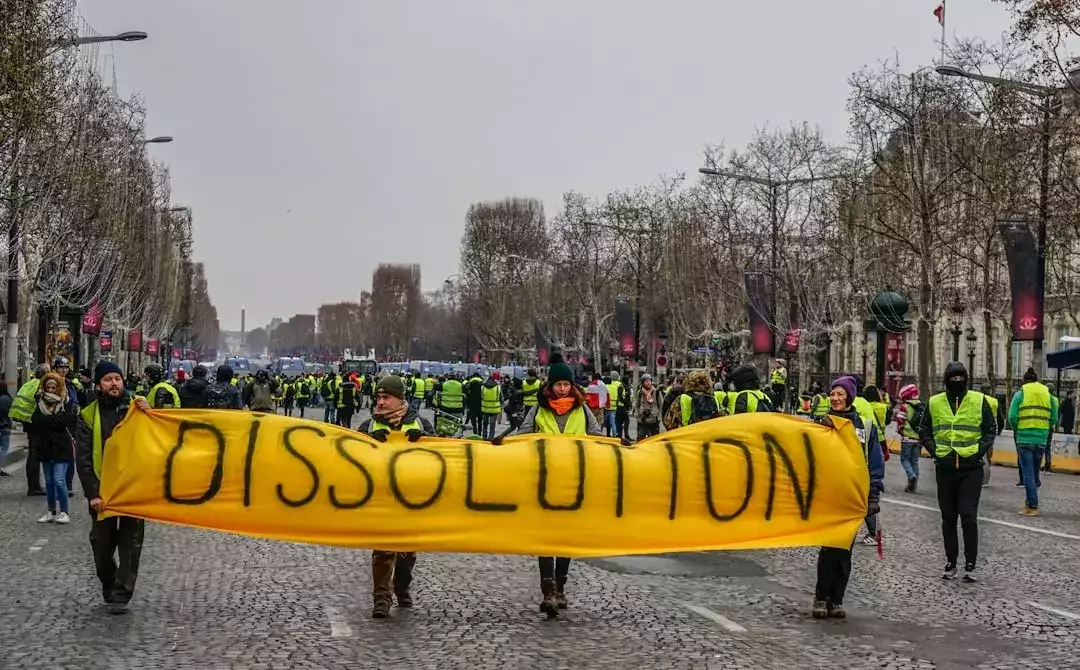
In 2026, the Dutch broadcaster AVROTROS’ planned Eurovision boycott 2027 becomes a test case for how public broadcasters handle wartime participation—specifically, whether the act of broadcasting itself legitimizes or undermines pressure over the Israel–Gaza war. You’ll learn what AVROTROS is protesting, how Eurovision’s institutional rules complicate the decision, and what practical outcomes viewers should expect in the Netherlands and across EBU-aligned media.
- Intent: AVROTROS frames the boycott as a media-ethics response to the Gaza conflict and Israel’s participation.
- Mechanics: Eurovision participation is governed by EBU processes tied to broadcasters, not by government policy announcements.
- Impact: A broadcaster withdrawal shifts national messaging, but does not automatically change eligibility frameworks.
What does the Eurovision boycott 2027 signal about broadcast ethics?
AVROTROS is effectively pursuing a cultural boycott: withdrawing from an event to deny symbolic visibility while the conflict in Gaza continues. The underlying ethical claim is that participation can function as reputational endorsement, even when the contest is marketed as entertainment.
This is not merely editorial preference. For public broadcasters, legitimacy depends on balancing audience trust, humanitarian sensitivity, and editorial independence. The critic’s point is that Eurovision is apolitical in branding but not in effect—audiences interpret participation politically because it occurs during ongoing war.
How do EBU participation rules shape the response to political pressure?
The friction comes from governance design. Eurovision is coordinated through EBU structures where participation is tied to member broadcasters and contest operating rules, not to real-time geopolitical alignment.
Eurovision operates on formally defined eligibility and delegation processes; Eurovision.tv rules and regulations on participation and contest operation outline how broadcasters engage with the event framework. That means a boycott can be a powerful protest gesture, but it does not directly rewrite the criteria for the contest’s continued structure.
Practically, AVROTROS’ decision pressures two layers at once: (1) the broadcaster’s own stakeholders (advertisers, viewers, staff) and (2) the EBU ecosystem to consider whether
Frequently Asked Questions
What exactly is AVROTROS boycotting in Eurovision 2027?
AVROTROS’ boycott targets participation as a broadcaster in Eurovision 2027, not merely the song choices of artists. The station frames its move as a media-ethics response to the Israel–Gaza war and to Israel’s participation. By stepping back, it aims to reduce the event’s symbolic visibility rather than influence government policy directly.
Does pulling out of Eurovision actually change anything, or is it mostly symbolic?
It can be both symbolic and practical. A withdrawal changes national messaging: the broadcaster signals it does not want its platform associated with the event during the conflict. However, it doesn’t automatically alter the contest’s institutional structure or the EBU’s eligibility frameworks, which are designed around broadcaster participation processes rather than geopolitical announcements.
Why is AVROTROS describing the issue as “broadcast ethics” rather than politics?
Because the argument is about effects, not only intent. Even if Eurovision is marketed as entertainment and described as apolitical, audiences can read participation as reputational endorsement during an ongoing war. AVROTROS treats broadcasting itself as a factor in how legitimacy and pressure are perceived, especially for public broadcasters with duties toward trust and sensitivity.
How do EBU rules limit what a broadcaster can do with a boycott?
Eurovision is coordinated through EBU structures where participation is tied to member broadcasters and contest operating rules. Eligibility and delegation procedures are defined through Eurovision’s regulatory framework and Eurovision.tv guidelines, not through real-time government alignment. That means a boycott can protest through absence, but it doesn’t directly rewrite who may participate or how the contest is run.
What should viewers in the Netherlands expect if AVROTROS boycotts?
Viewers should expect a shift in how Eurovision content is presented or covered, depending on how AVROTROS implements the withdrawal. The article’s key point is that the broadcaster’s messaging changes, but the broader EBU-aligned event framework and eligibility criteria won’t be automatically changed. Coverage patterns may also affect audience reach and public debate domestically.
Could AVROTROS’ boycott influence other EBU broadcasters to reconsider participation?
It can create pressure, but not on an automatic basis. AVROTROS’ decision becomes a reference point for how public broadcasters handle wartime participation and media legitimacy. Other broadcasters may weigh audience trust, humanitarian sensitivity, and editorial independence. Still, since eligibility is managed through EBU processes, individual protests are more likely to affect communication and strategy than the formal rules.
One thought on “Dutch broadcaster to boycott Eurovision 2027”