
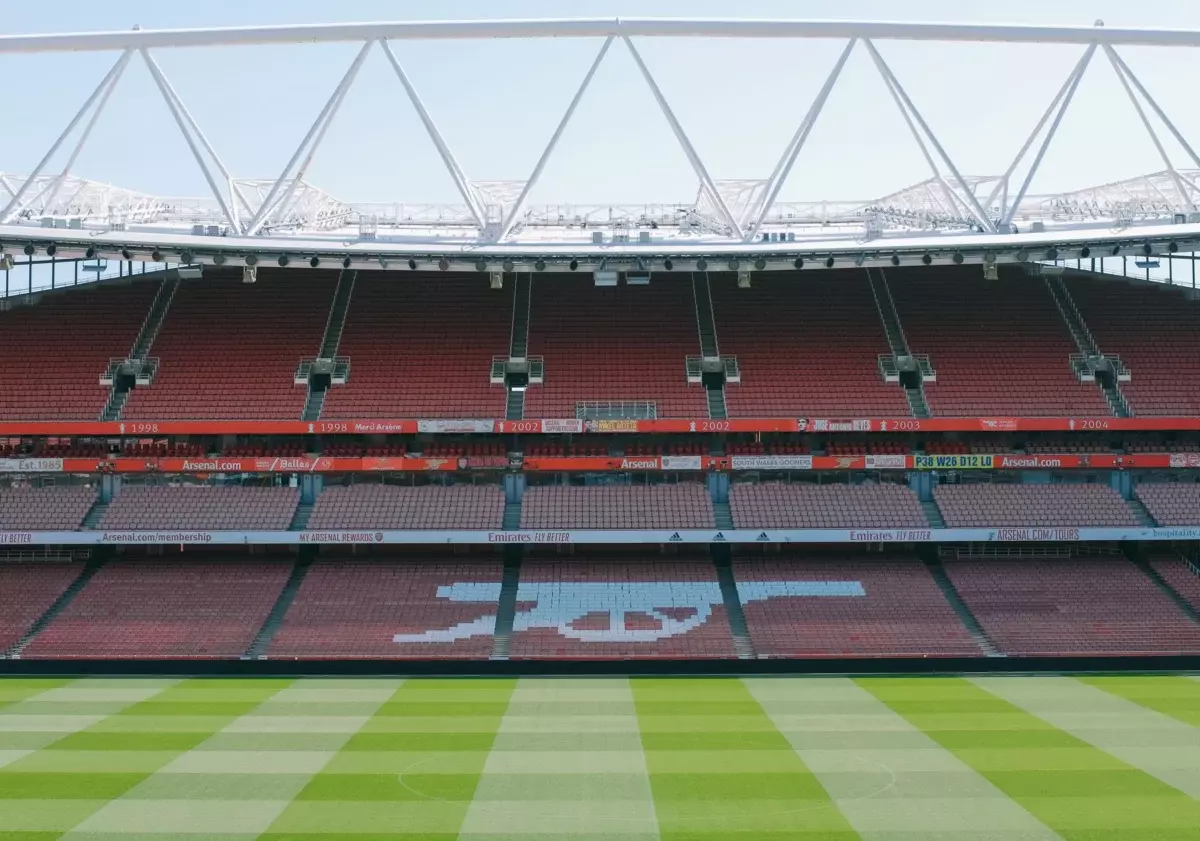
Reigning champions Arsenal staged a comeback to beat big-spending Chelsea in a pulsating London derby at Emirates Stadium, with the home side turning a poor start into a decisive second-half performance. The result underlined Arsenal’s resilience under pressure and exposed the risks of Chelsea’s high-velocity style when momentum swings. It also immediately affects the standings race by reinforcing Arsenal’s ability to pick up points in high-stakes fixtures, while leaving Chelsea to reassess how they manage games after falling behind.
Context: A derby shaped by contrast
Arsenal and Chelsea enter their meetings with different identities and recent investment models. Arsenal have built a relatively stable tactical structure around controlled build-up, positional discipline, and rapid transitions, while Chelsea’s squad evolution has placed a heavier emphasis on adding quality across the pitch, supported by a steady stream of high-profile recruitment documented by mainstream transfer databases such as Transfermarkt.
In that context,
Frequently Asked Questions
How did Arsenal manage to turn a poor start into a win against Chelsea?
The key was changing the game’s tempo and improving second-half execution. Arsenal recovered from an early dip by regaining positional discipline and tightening their build-up patterns, which helped them stabilize transitions. Once momentum shifted, they looked more decisive in forward phases, while Chelsea’s pressure started to create space rather than control it.
What does this comeback suggest about Arsenal’s resilience in high-pressure matches?
It reinforces that Arsenal can absorb negative phases without collapsing tactically. Rather than chasing the game immediately, they appear able to restructure in-game—holding shape, protecting key areas, and then accelerating when the opponent’s balance breaks. That pattern is especially valuable in derby matches where emotions and momentum swings are usually volatile.
Why can Chelsea’s high-velocity style become risky when they fall behind?
High-speed, high-intensity approaches often rely on early control—winning territory and forcing quick turnovers. When Chelsea concede first and lose momentum, the same urgency can leave them stretched between lines. The article highlights that momentum swings expose the risk: Arsenal’s transitions can punish the extra space Chelsea leaves while trying to recover.
How might this result immediately affect the standings race?
A derby win for the reigning champions is typically more than just three points—it helps consolidate confidence in the title race and demonstrates points-getting under pressure. For Arsenal, it strengthens their ability to respond in “must-win” fixtures. For Chelsea, losing after a strong investment push likely forces a reassessment of consistency when games don’t go their way.
What tactical difference does the article imply between Arsenal’s structure and Chelsea’s squad evolution?
Arsenal are described as having a more stable tactical structure: controlled build-up, positional discipline, and swift transitions. Chelsea’s approach is framed as more about adding quality across the pitch through ongoing recruitment. That can create talent, but the article suggests it may also mean less cohesion when momentum flips, especially against teams that punish transitional moments.
2 thoughts on “Champions Arsenal come from behind to beat Chelsea”