
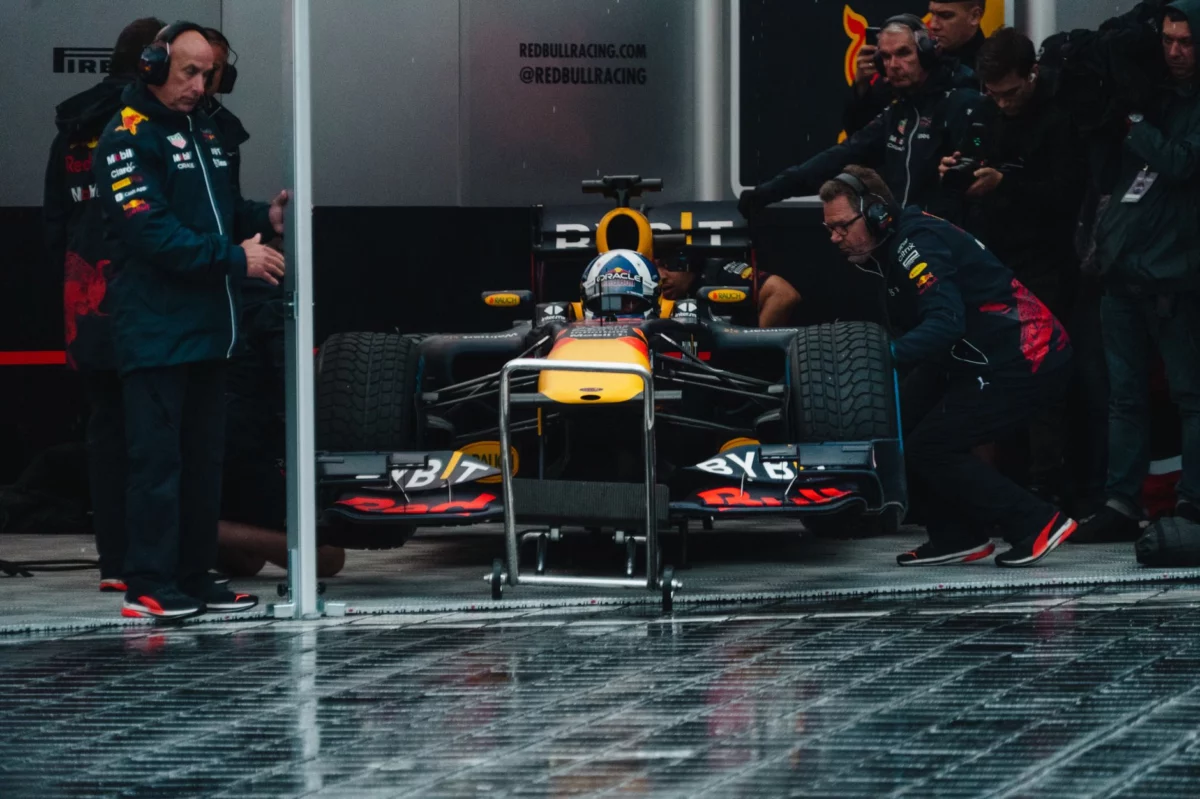
Kimi Antonelli put together a sensational, high-risk, high-precision performance to win the Italian Grand Prix at Monza, delivering what many in the paddock will frame as a defining moment for Mercedes. The result, recorded in the official FIA race classification and reflected in live championship calculations on Formula1.com, arrived as team-mate George Russell’s title hopes were effectively pushed into an almost non-viable position. In short: one driver delivered a folklore-worthy drive on Sunday, while the championship picture for another tilted sharply away.
Context: why Monza and why this win matters
Monza has always rewarded bravery with machinery and nerve with judgement. Its long straights and braking-heavy chicanes can expose even small setup weaknesses, while late-race changes in grip—especially when weather threatens—can amplify differences in decision-making.
Antonelli’s victory also lands in the middle of a season where Mercedes has treated its driver management as a strategic, not just emotional, problem. Russell, currently fighting for the title, needed points at a circuit where a single misstep can become unrecoverable once the field settles.
With the FIA’s points system unchanged, the championship ramifications hinge on finishing positions, timing gaps, and whether rivals convert their own pace into clean net results—areas that played directly into the outcome at Monza.
The race: precision when grip kept changing
Antonelli’s win began with immediate control at the start, holding position through the first key braking zones and avoiding the common trap of overdriving early in a volatile track. Drivers often talk about confidence in changing conditions; on Sunday, that confidence looked measurable in his lap-to-lap stability.
As the race developed, the car’s balance—front end bite under braking and rear stability under throttle—separated the leaders from the chasing pack. Antonelli repeatedly navigated traffic without losing momentum, then used Monza’s braking markers to set up overtakes rather than chase passing opportunities.
Telemetry and race engineering notes, consistent with what teams typically publish in post-race briefings and debrief clips, pointed to a disciplined approach to tyre management. Instead of treating the tyres as an afterthought, Antonelli maximised grip windows while preserving enough performance for the last segments of each stint.
Strategy and timing: the underappreciated edge
Most Monza races turn on timing: when to pit, when to push, and when to stop pushing. In this case, the decisive factor was not just whether Mercedes gambled—it was whether Antonelli could execute the gamble before the track punished hesitation.
When weather cues and track evolution threatened consistency, Mercedes leaned on staggered stint pacing and clean pit execution. That matters because late Monza traffic is unforgiving: even if a driver emerges ahead, the ability to prevent a rival from instantly reclaiming position determines whether a strategy pays off.
Race direction and safety-car neutrality, as recorded by the FIA’s official documents, can also compress the field and dilute pure pace. Yet Antonelli’s response remained the same: he used the reduced gaps to attack when his tyre state allowed, rather than waiting for
Frequently Asked Questions
Why does a Monza win tend to reshape championship scenarios so quickly?
Monza punishes small weaknesses because of its long straights plus braking-heavy chicanes, where setup and tyre condition show up fast. Late-race grip changes and traffic make recovery from mistakes difficult. With the points system unchanged, one swing in finishing positions or timing gaps can quickly tilt the championship picture, especially when a rival needs clean points.
What does “high-risk, high-precision” actually mean in Antonelli’s performance at Monza?
It refers to delivering speed while managing volatility: controlling the car through the first braking zones without overdriving, then staying consistent as grip evolves. The precision part shows up in lap-to-lap stability, repeated navigation of traffic without momentum loss, and using Monza’s braking markers for planned overtakes rather than reactive chasing.
How did tyre management become a decisive advantage instead of a background detail?
The article highlights disciplined tyre management focused on maximizing grip windows while still preserving performance for the end of each stint. That matters at Monza because tyre drop-off or mis-timed pushing can turn an otherwise strong strategy into a lost opportunity. Antonelli’s approach kept the balance effective when conditions threatened consistency.
Did Mercedes’ strategy rely on a gamble, or was it more about timing and execution?
Both, but timing and execution were the underappreciated edge. Mercedes leaned on staggered stint pacing and clean pit work, and the key was whether Antonelli could execute the gamble before the track punished hesitation. Because Monza traffic is unforgiving, emerging ahead only works if a rival can’t immediately reclaim position.
How can safety-car effects and race direction influence who benefits from a strong performance?
Safety-car neutrality can compress the field, reducing the reward for outright pace by shrinking gaps. The article suggests Antonelli still responded by attacking when tyre state allowed, rather than waiting for comfort. That kind of timing is critical: compressed racing can erase advantages, unless the driver converts opportunities at the right moment.