
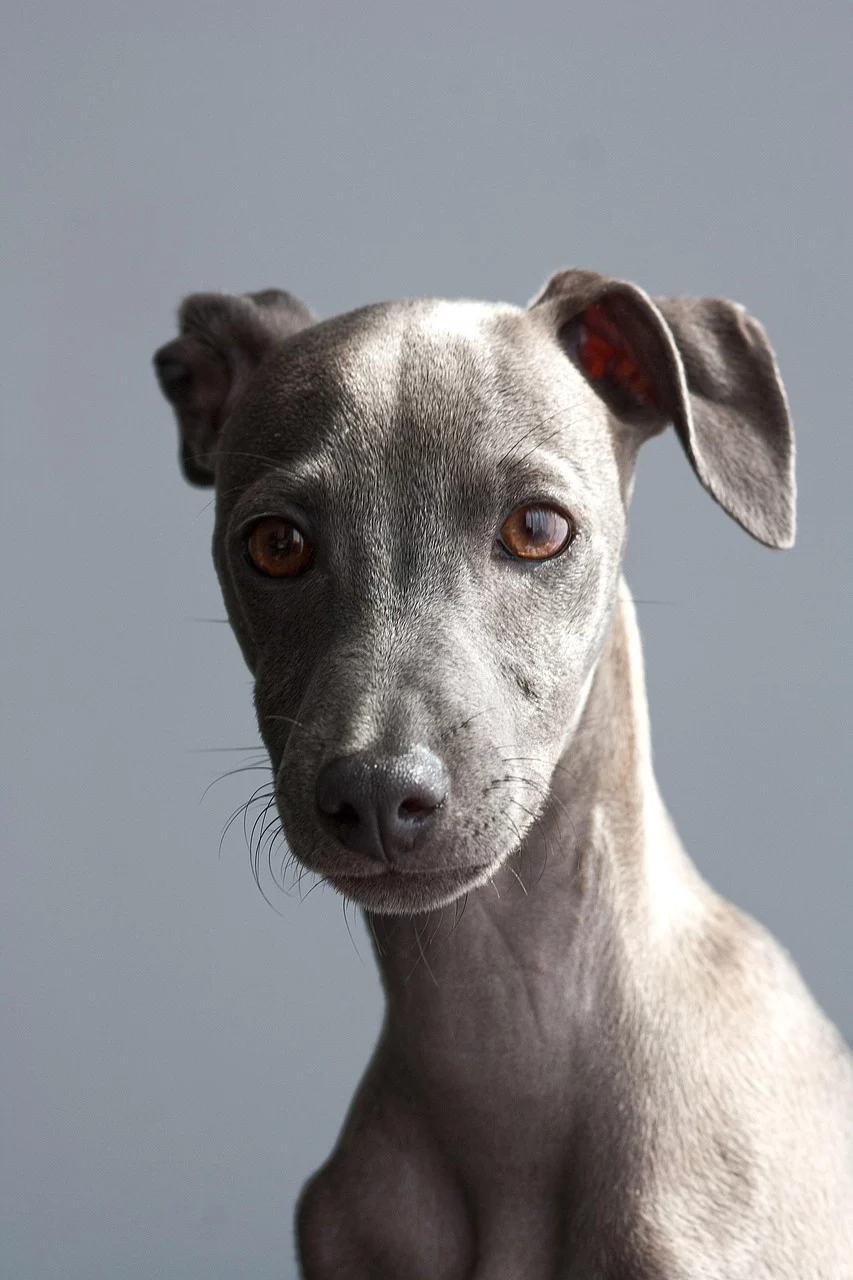
A wedding dowry ritual is supposed to be symbolic, memorable, and—above all—safe. But when a groom’s friend gifts a live hunting dog puppy during the jewelry ceremony, the moment stops being tradition alone and becomes a test of ethics, cultural interpretation, and real-world practicality. In this article, we critically examine wedding dowry ceremony unusual gifts through the lens of a real-world incident: a puppy presented like
Frequently Asked Questions
Is gifting a live puppy during a wedding dowry ceremony ever considered “safe” and acceptable?
It can be acceptable within some traditions, but “safe” depends on consent, care, and context. Live animals can trigger allergies, fear, or stress in guests. The couple and families should agree in advance, ensure proper handling, and confirm that the puppy will be taken home immediately with appropriate supplies, not treated as an ornament during the ceremony.
How should people balance cultural symbolism with ethical concerns when an unusual gift like a puppy is involved?
A useful approach is to preserve the symbolism without creating harm. If the intention is to represent loyalty, protection, or fertility, there are low-risk ways to do that. Ethical concerns include animal welfare, guest well-being, and whether the recipients truly consent to having a live animal in that setting.
What practical issues arise when a hunting dog puppy is presented at a jewelry ceremony?
Practical problems include stress for the puppy, unpredictable reactions in a busy environment, and hygiene risks in indoor venues. Hunting breeds may also have specific handling needs. Additionally, guests may not know how to interact safely with a young dog, increasing injury or discomfort for both the animal and attendees.
Could this kind of gift raise legal or venue-related concerns?
Yes. Some venues restrict live animals, especially around large gatherings, food service, or formal seating areas. There may also be local animal welfare expectations regarding transport and handling. Even if a culture allows symbolic gifts, organizers often must follow event rules and public health or safety requirements.
If a puppy is gifted, what responsibilities should the giver and wedding party handle immediately?
Both sides should coordinate before the ceremony: consent from the couple, a plan for transport, and supplies like a carrier, water, and safe temporary containment. The puppy should never be treated as entertainment. After the ceremony, it should be placed directly into a suitable home environment with a caretaker designated before it’s presented.
What are better alternatives that keep the ritual’s meaning without the risks of a live animal?
Consider symbolic substitutes such as a framed photo or figurine representing a loyal protector, a donation to an animal rescue in the puppy’s “honor,” or a custom vow card referencing the values the gift represents. Another option is presenting a non-living token during the ceremony and arranging the real adoption or care plan privately afterward.