
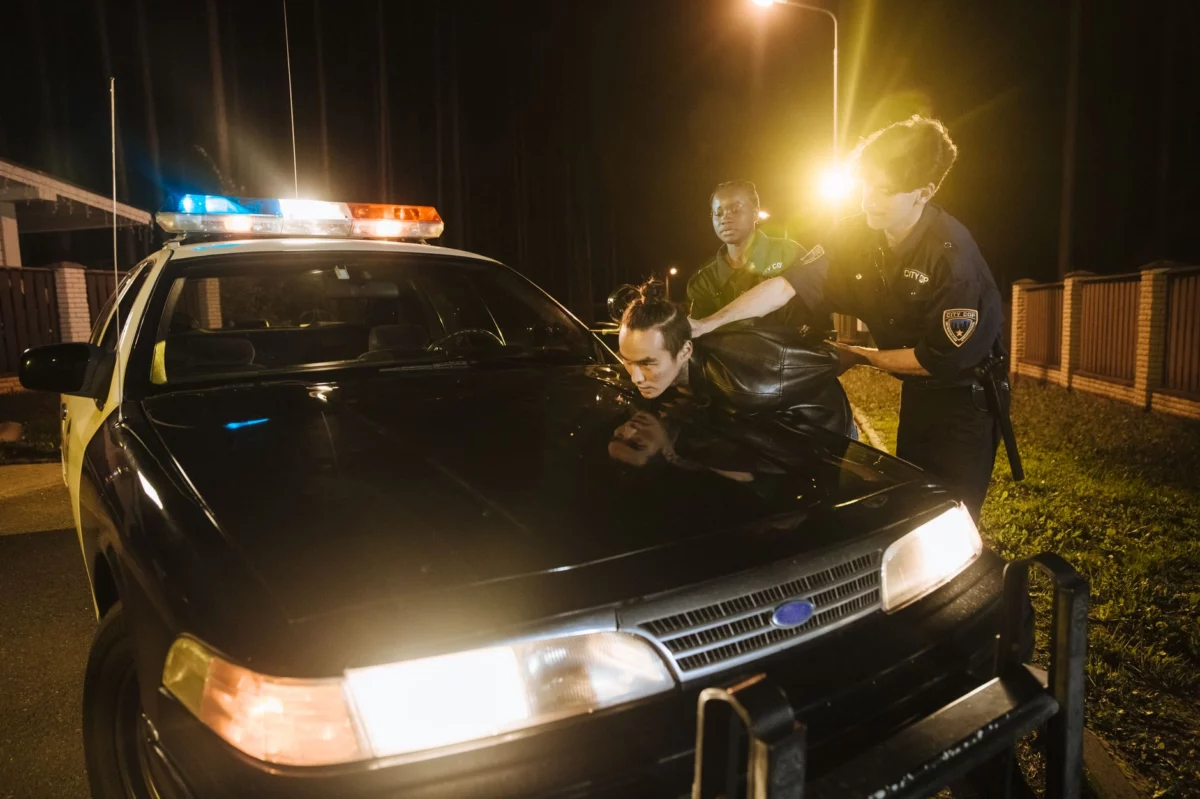
A reported organized crime leader arrest in Turkey—conducted with thermal cameras, drones/IR-capable optics, and a fast on-site approach—offers more than a headline. It forces a hard analytical question: what actually changes when law enforcement can
Frequently Asked Questions
How do thermal cameras change police operations compared to traditional surveillance?
Thermal cameras detect heat signatures, often revealing people or recently active areas even in low light or through light obstructions like smoke or darkness. This can reduce reliance on visible cues, speed up search-and-identification, and improve patrol routing. It also changes how officers plan approaches, since they can locate targets before sight contact and choose safer, faster entry routes.
What role do drones and IR-capable optics play during an arrest rather than just “finding” a suspect?
Beyond locating, drones and IR optics help officers maintain situational awareness at multiple angles and altitudes while keeping distance. That can reduce exposure time for officers and civilians. Multi-angle thermal observations also support decisions about timing, perimeter placement, and which unit should approach first. In practice, the goal is controlled contact with clearer operational context.
Do thermal recordings automatically become valid evidence in court?
Not automatically. Thermal imagery can be evidence, but its admissibility often depends on chain of custody, calibration/maintenance records, acquisition conditions, and documentation of how images were interpreted. Courts may scrutinize whether the thermal view was reliable, whether analysts were trained, and whether footage was altered or improperly handled. Legal outcomes can hinge on technical and procedural rigor.
What common doubts arise about accuracy—can thermal cameras “misidentify” people?
Thermal cameras show heat differences, not identity by default. People can be mistaken due to clothing heat retention, background heat sources, vehicle engines, or environmental effects like wind and reflective surfaces. Misidentification is more likely if investigators skip cross-checking with other observations (audio, video, movement patterns, or physical corroboration). Good practice pairs thermal data with confirmatory evidence.
How might thermal-camera operations affect the legality of stops, searches, or arrests?
Thermal data can influence probable cause or reasonable suspicion, but only if officers can explain how it contributed to the decision. If thermal observations are vague or not tied to specific, articulable factors, challenges may arise. Clear reporting—what was seen, when, under what conditions, and how it matched other evidence—helps demonstrate the basis for action and mitigates claims of arbitrariness.
What safeguards should be used to ensure thermal technology improves outcomes without overreach?
Safeguards include documented device calibration, transparent operational logs, restricted use tied to specific investigative goals, and careful training for analysts interpreting heat signatures. Agencies should also capture context (time, location, weather/lighting, camera settings) and ensure secure storage. When possible, investigators should corroborate thermal findings with independent sources to avoid confirmation bias and strengthen legal defensibility.