
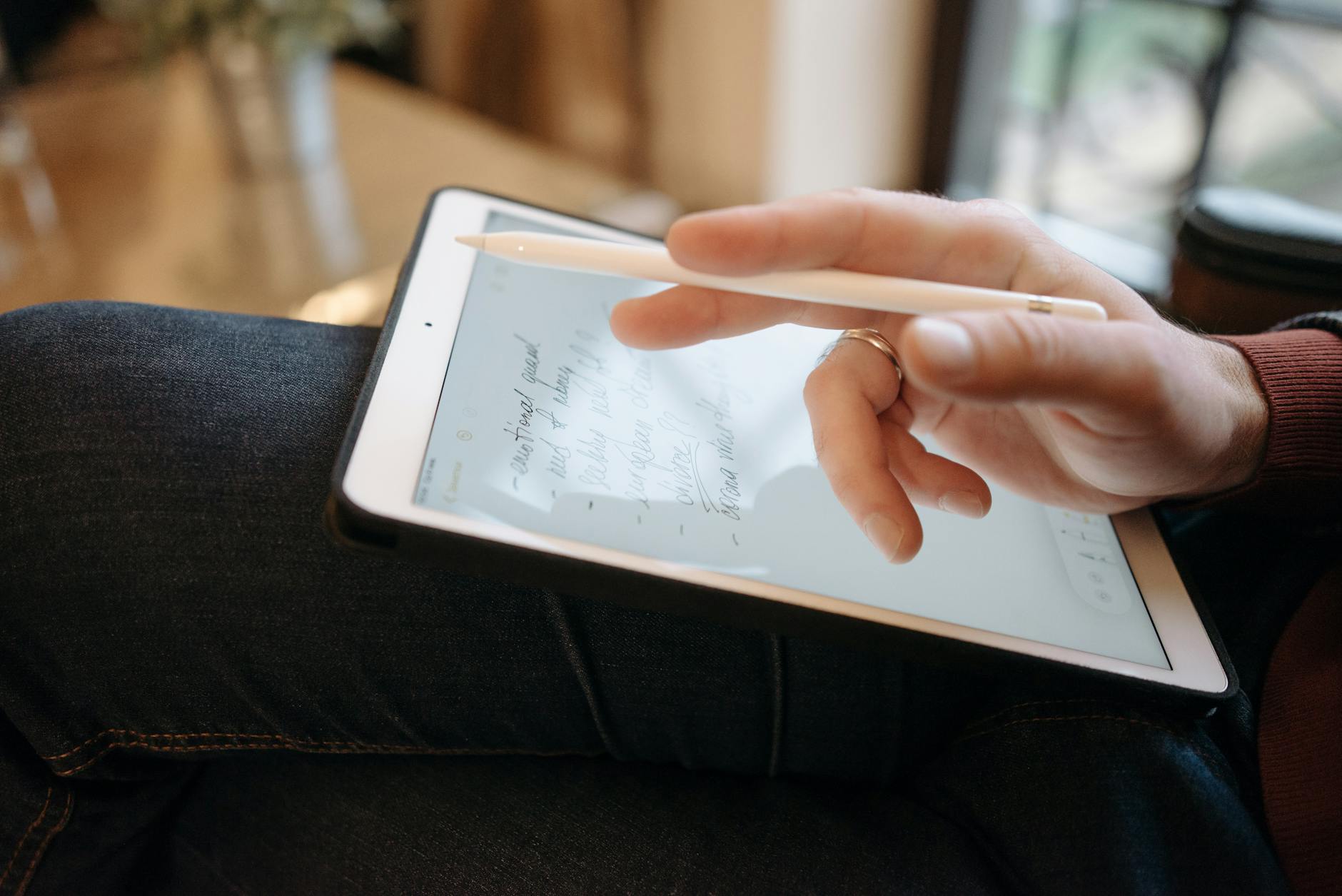
In 2026, students, remote workers and commuters are turning to digital notebooks from reMarkable, Kobo and Amazon Kindle to capture handwritten notes in a paperless format, as demand grows for devices that combine pen-on-screen writing with cloud storage, long battery life and distraction-free displays. The appeal is straightforward: users want the feel of paper without carrying stacks of notebooks, and manufacturers are leaning into E Ink devices built around writing rather than app-heavy tablet use.
Why the category is growing
Digital notebooks sit between a traditional notebook and a full tablet. They use stylus input and low-power screens to mimic handwriting, while syncing notes to phones, laptops or cloud accounts for later editing and search.
That mix has made them especially attractive to people who take meeting notes, outline projects or annotate PDFs. In product specifications published by Amazon, Kobo and reMarkable, battery life is measured in days or even weeks, a key advantage over conventional tablets that require more frequent charging.
How the leading devices differ
reMarkable has built its reputation on a minimalist interface that keeps attention on writing and sketching. Kobo’s notebooks are often positioned around reading and annotation, giving ebook users a familiar ecosystem for notes and margin marks. Kindle Scribe connects into Amazon’s book library, making it useful for readers who want to mark up documents and books in the same place.
That split matters because buyers are no longer looking at digital notebooks as one product type. Some want a focused writing surface. Others want a note-taking device tied to a large reading catalog. A third group wants cloud sync, handwriting conversion and file sharing for work or school.
What experts and product data show
Manufacturer specs show why E Ink notebooks keep finding an audience: they are lighter on battery, easier to read in bright light and less distracting than backlit tablets. Tech reviewers and educators also point to handwriting recognition as a major selling point, especially for users who draft ideas by hand and later need searchable text.
The trade-offs remain clear. These devices usually offer slower refresh rates than iPads or Android tablets, and most do not match general-purpose tablets for apps, video or gaming. That limitation is part of the appeal for buyers who want fewer interruptions.
What it means for buyers and the industry
For readers, the market now offers more choices than ever, from ultra-minimal writing tools to reading-first notebooks with broader content libraries. For the industry, the competition is pushing better stylus latency, cleaner handwriting conversion and more color E Ink screens.
What to watch next: whether 2026 brings faster note search, tighter cross-device syncing and lower prices, three changes that could make digital notebooks more mainstream beyond early adopters.
2 thoughts on “Digital notebooks gain momentum in 2026 as buyers seek paper-like note taking”