
Introduction
In today’s fast-paced business environment, optimizing supply chains is not just a competitive advantage—it’s a necessity. Supply chains are the lifeblood of any organization, encompassing everything from procurement to delivery. As companies face unprecedented challenges such as fluctuating consumer demands, regulatory changes, and the impact of global crises, the need for adaptable and efficient supply chain design has never been more critical. This article explores the latest trends and best practices in supply chain optimization and supply chain design, providing insights into how organizations can navigate the complexities of modern supply chains with resilience and agility.
Key Insights Driving Supply Chain Optimization
Focus on Resilience
Resilience has emerged as a cornerstone of effective supply chain management. The MHI and Deloitte report emphasizes the need for supply chains to be adaptable and responsive to sudden disruptions. With AI positioned as a significant disruptor in the industry over the next decade, organizations must integrate predictive technologies that enable rapid adjustments to their operations. For instance, companies that implement AI-driven analytics can anticipate shifts in demand and respond swiftly, ensuring continued serviceability and reduced risk.
Embracing Digital Transformation
Digital transformation is fundamentally reshaping how supply chains operate. Technologies like AI, the Internet of Things (IoT), and blockchain are central to this evolution, providing enhanced visibility and actionable insights. A prime example is UPS, which has adopted RFID technology to improve tracking accuracy and customer service. By harnessing these tools, businesses can optimize their logistics, reduce costs, and improve overall efficiency by having real-time data at their fingertips.
Commitment to Sustainability
Sustainable supply chain practices are no longer optional; they are a demand from consumers and stakeholders alike. Companies are increasingly exploring ways to minimize their carbon footprints by integrating eco-friendly practices into their operations. For example, firms are investing in green logistics solutions, optimizing transportation routes, and enhancing transparency in their sourcing processes. The drive for sustainability not only fulfills regulatory obligations but also enhances brand reputation and customer loyalty.
The Shift Toward Data-Driven Decision Making
Data-driven decision-making is transforming operational strategies across industries. Businesses are leveraging big data and analytics to enhance efficiency and manage risks effectively. Frameworks like those provided by ThoughtSpot and RSM showcase how AI-driven analytics can improve inventory management and demand forecasting, allowing companies to make informed decisions that foster agility in their supply chains.
Enhancing Collaboration within the Supply Chain
Collaboration among supply chain stakeholders is essential for optimizing processes and enhancing innovation. By sharing data across platforms, businesses can increase responsiveness and agility, creating a more harmonized supply chain ecosystem. Enhanced collaboration can lead to improved problem-solving and efficiency, supporting better outcomes for all partners involved.
Best Practices for Effective Supply Chain Design
Implementing Agile Methodologies
To stay competitive, companies are adopting agile methodologies that enhance responsiveness to demand fluctuations and unforeseen supply chain disruptions. This involves iterative planning processes and adaptive execution strategies. Businesses can respond quickly to changes in consumer preferences and market conditions, ultimately improving their operational efficiency.
Investing in AI and Automation
Investment in AI and automation technologies has become crucial for success in logistics and warehousing. Leading companies such as Locus Robotics and Amazon are utilizing AI-powered solutions to streamline their operations, resulting in elevated productivity and reduced human error. Robotics play a pivotal role in warehouse settings—automating repetitive tasks allows employees to focus on more strategic initiatives, ultimately driving greater value.
Focusing on Employee Training and Development
As technology continues to evolve, a skilled workforce is essential to effectively manage advanced systems. Companies are investing in comprehensive training programs that prioritize continuous learning and adaptation to new technologies. By fostering a culture of development, organizations ensure they have the talent needed to thrive amid ongoing industry changes.
Designing Customer-Centric Supply Chains
A customer-centric approach to supply chain design is becoming fundamental. Businesses must prioritize speed, reliability, and quality in their operations, integrating customer feedback into their strategies to align more closely with consumer needs. This focus ensures that supply chains are not only efficient but also responsive to customer demands, ultimately driving loyalty and satisfaction.
Leveraging Emerging Technologies for Competitive Advantage
The Role of Artificial Intelligence
Artificial intelligence is central to enhancing supply chain operations. AI supports automation, predictive analytics, and advanced decision-making processes, allowing companies to forecast demand more accurately and manage inventory efficiently. Organizations leveraging AI tools are better equipped to navigate complexities, ensuring that they maintain optimal supply levels and respond dynamically to market changes.
Blockchain’s Contribution to Traceability
Blockchain technology is proving invaluable in enhancing transparency and traceability within supply chains. Industries such as food and pharmaceuticals are particularly benefiting from blockchain’s capabilities, ensuring that products can be traced from origin to end consumer. This increased visibility not only builds consumer trust but also mitigates risks associated with recalls and compliance.
Internet of Things (IoT) in Supply Chains
The application of IoT devices in supply chains is revolutionizing how companies gather and analyze data. Real-time insights into inventory levels and shipment conditions empower organizations to optimize their supply chain flows. For example, firms using IoT sensors can monitor temperature-sensitive goods, ensuring product integrity and reducing waste.
Advanced Robotics Transforming Warehousing
The implementation of advanced robotics is significantly enhancing operational efficiency in warehouses. By automating repetitive tasks, robots reduce labor costs and improve accuracy in inventory management. As technology progresses, the potential for robotics in supply chain management will likely expand, paving the way for even greater efficiencies and capabilities.
Overcoming Challenges in Supply Chain Optimization
Navigating Tariff and Regulatory Changes
The impact of tariffs and regulatory changes can pose significant challenges for supply chain management. Organizations must proactively adapt their strategies to navigate these complexities, emphasizing the importance of compliance and risk management. By staying informed on regulatory changes and implementing proactive measures, businesses can mitigate the negative effects on their supply chain dynamics.
Conclusion
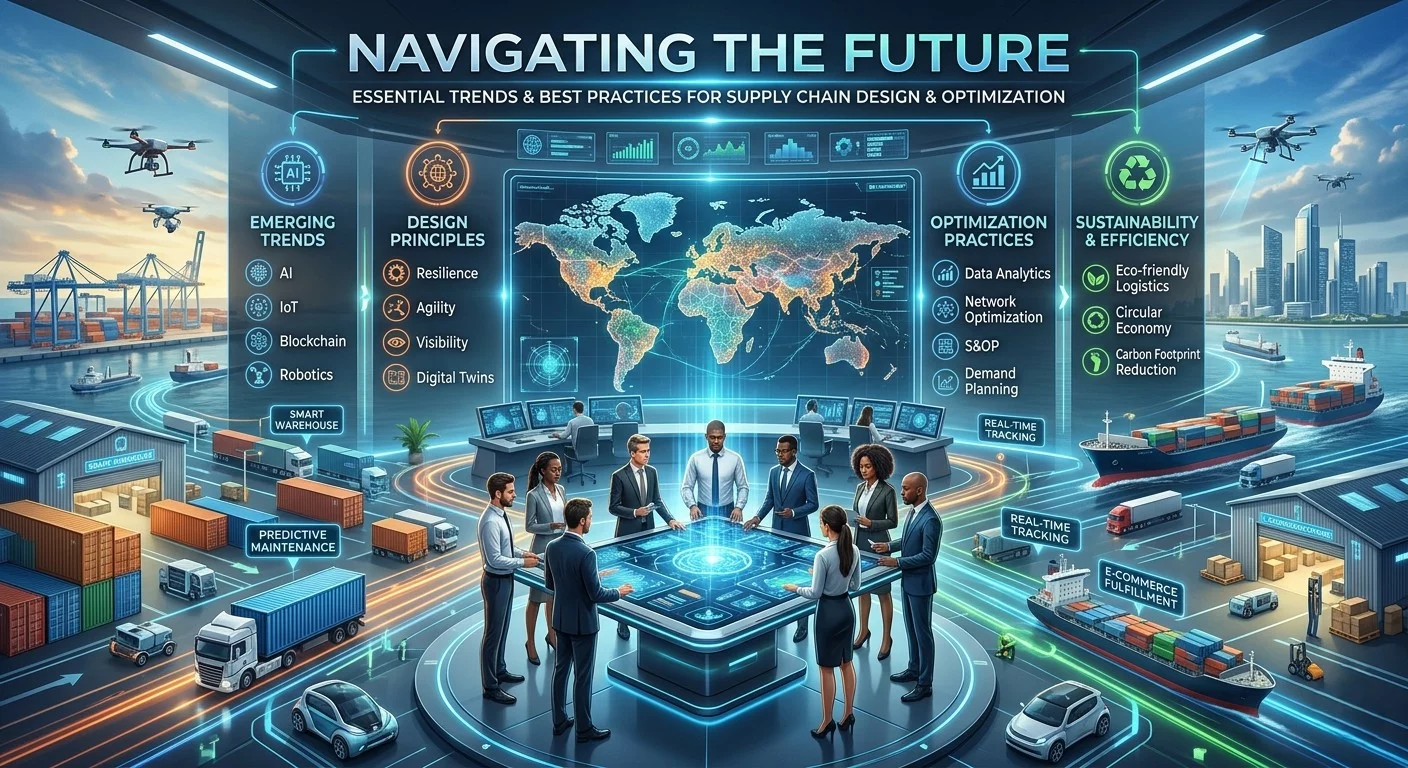
In summary, the landscape of supply chain management is rapidly evolving, influenced by trends such as resilience, digital transformation, sustainability, and data-driven practices. Embracing these trends and implementing best practices is crucial for organizations looking to optimize their operations and maintain a competitive edge. With the ongoing integration of advanced technologies, companies must remain agile and innovative to navigate future challenges successfully.
Recommended Actions for Supply Chain Leaders
- Invest in Technology: Enhancing supply chain visibility through technology is vital for maintaining efficiency and responsiveness.
- Enhance Sustainability Practices: Focus on minimizing environmental impact and embracing sustainable operations to meet consumer demands and regulatory standards.
- Foster Collaboration: Encourage data sharing and collaborative relationships among supply chain partners to improve agility and efficiency.
- Focus on Workforce Development: Invest in employee training programs to prepare your workforce for managing advanced technological systems effectively.
By taking these steps, supply chain leaders can ensure their organizations are well-positioned to meet the demands of the future, driving operational excellence and resilience.